
Matcha Is the New Coffee, and India Can’t Get Enough


What began as an ancient Japanese ceremony has grown into a cultural phenomenon. Matcha is no longer niche, but an aesthetic and lifestyle signal, especially within India’s growing F&B market. Across India’s cafés, menus, and Instagram feeds, green tea has transformed from a humble brew into a wellness ritual—one that seems to matter only if it’s worthy of a post.
A Ritual Rooted in Reverence
Matcha’s cultural roots run deep, far beyond the Instagram aesthetic. Originating in China during the Tang dynasty and refined in Japan over centuries, the powdered tea became the centrepiece of chanoyu, the Japanese tea ceremony. A ritual of quiet contemplation, matcha was never simply consumed- it was experienced. Whisked into a froth with bamboo tools and consumed as a part of a Zen ritual, it embodied mindfulness long before wellness became a buzzword.
Today’s matcha renaissance borrows from that legacy while modernising it for a different audience. While the context may now be a sunlit café or a stylised reel, the undercurrent of intention remains, offering a rare moment of pause in an otherwise hyper-paced world.
A New Kind of Buzz
The matcha wave isn’t built on taste- it’s the ritual, and the social circle it introduces. “Coffee has always had its space, but matcha brings a different energy—it’s slower, more mindful, and unexpectedly social,” says Natasha Hemani, co-founder of Blondie in Mumbai.
Karreena Bulchandani, founder of MOKAI, shares, “The idea to start a matcha bar was inspired by both a personal love for matcha and a deep appreciation for its cultural roots. Matcha isn’t just a trendy drink—it’s known for its health benefits, like being rich in antioxidants and providing clean, sustained energy without the crash. We wanted to create a space where people could enjoy those benefits while also experiencing the calming, mindful ritual that comes with drinking matcha. There’s something special about how it encourages you to slow down and be present, and we felt that was worth sharing.”
That quiet shift in how we consume energy is gaining traction across urban India. From Gen Z creators to yoga instructors and corporate professionals, matcha has become the lifestyle flex du jour. Not just because of its health benefits, but because of what it represents, a conscious departure from the jittery, hyper-productivity-fueled energy boost of the past.
Where It’s Sourced Matters
Not all matcha is created equal. And in India’s luxury-leaning wellness economy, where it's sourced from is as much a flex as flavour, the where-from matters as much as the what. At MOKAI, Bulchandani looks beyond the ceremonial-grade label. Her matcha comes from Uji, the Kyoto prefecture widely regarded as the birthplace of high-grade Japanese tea. It is ground to a bespoke particle size to refine the flavour, aroma, and texture. “Every detail is considered—from the cultivar to the mouthfeel,” she says. “We’re not just serving a drink. We’re crafting an experience.”
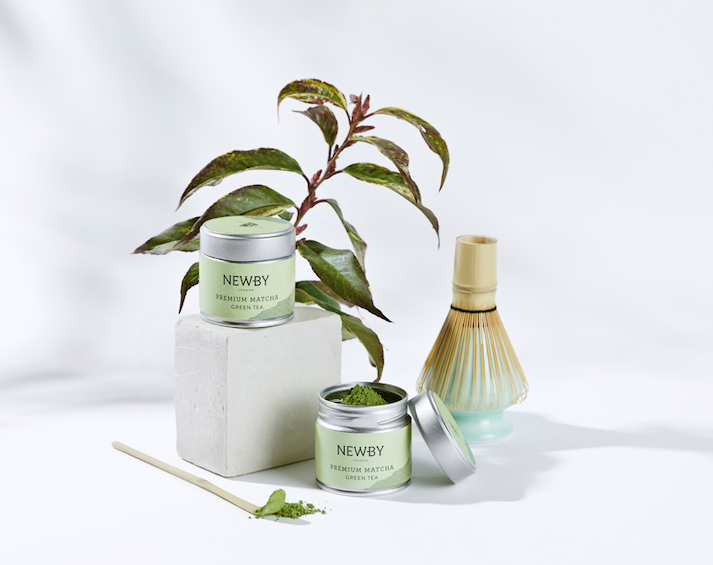
Newby India takes that respect a step further, treating matcha with the same reverence usually reserved for vintage wines. Their ceremonial-grade matcha is sourced from cultivars like Kyoken283, Okumidori, and Ujimidori grown under shade in the mineral-rich soils of Uji before being stone-milled with time-honoured technique. “There’s a deep story behind matcha,” says COO Annapurna Batra. “We’re not just riding a trend; we’re honouring a craft.”
Blondie sources its matcha from a single farm in Shizuoka. But for co-founder Natasha Hemani, taste was the primary benchmark. “We tasted a lot before finalising this one. It’s grassy but clean, smooth with no bitterness, and doesn’t get lost in milk,” she explains. “We wanted people to drink it and think, ‘Okay, now I get the hype.’”
505 Coffee takes a boutique approach, sourcing its matcha directly from Kyoto. “We work with a Japanese supplier who’s deeply involved in every part of the cultivation and grinding process,” shared co-founder Rohan Jhaveri. “It’s not about a label—it’s about trust, consistency, and building something rooted in integrity.” For 505, the quality of the leaf is non-negotiable, but so is its story: “We want to offer a cup that feels as personal as it is premium.”

Matcha as the Moodboard
Visually, matcha is a content creator’s dream. But beyond the feed, matcha has become the foundation for experimentation. In a glasshouse nestled in foggy Lonavala, founder Suraj Gupta leans into matcha’s performative and visual beauty. Their bestselling Apple Matcha Cloud is equal parts flavour and theatre, consisting of creamy green clouds, cardamom dust, and just the right amount of acid to balance the tea.
MOKAI treats its matcha menu like a seasonal collection. “We’ve done everything from Matcha-Misu—our take on tiramisu in a glass—to a burnt marshmallow matcha that feels like sipping on s’mores,” she says. The brand also collaborated with uber famous Jenki Matcha, a London hotspot. Limited-edition flavours like Flower Strawberry Matcha and Vanilla Collagen Matcha keep the regulars intrigued, and the dreamy swirl of pink, green, or gold is made for both the palate and the post.

Community, but Make it Cult
Perhaps the most fascinating evolution is how matcha has become a social catalyst. Where coffee was once shorthand for ambition, matcha is now code for alignment with wellness and the never-ending trend cycle. Blondie has hosted matcha takeovers with Bastian Garden City, collaborated with Inde Wild and The Pilates Academy, and recently launched a matcha masterclass. “We’re building a space where matcha feels cultural, not clinical,” Hemani says.
MOKAI, too, has tied the drink into wellness events, matcha/coffee raves, exclusive flavour drops, and hosting events focused on matcha with Veronica Bahl, who’s a matcha influencer and co-founder of Glow Glossary, aligning matcha with the growing movement of holistic living.
Fiori is now hosting one of India’s first matcha omakase experiences, pairing matcha with multiple courses in a fine-dining format. “It’s about education,” says Gupta. “Once you get past the first bad cup, you realise what matcha can really be.”
A Market in the Making
Matcha will never be everybody's cup of tea. Why do you ask? The taste. Matcha is grassy, textured, and carries an umami profile not immediately aligned with India’s sugar-stuffed caffeine palate. There’s also a pricing hurdle. “Good matcha is expensive—and it should be,” says Hemani. “It’s not just powdered green tea. It’s harvested, shaded, stone-ground. It’s an art.”
“There’s often a mismatch between the idea of matcha and the actual taste,” says Gupta. “People walk in with a Pinterest board in their head, then taste it and realise it’s not a milkshake.” The challenge, he explains, lies in winning over the sceptics without compromising the integrity of the drink. “Do you overdress it with syrups or prepare it traditionally and risk alienating them? That’s the fine line we all walk.”

505 Coffee’s, Jhaveri, believes the same: “There’s still a lot of education needed. People see matcha as trendy, but they often don’t understand what makes a good one. And when they do taste it—especially if it’s not made well—they’re turned off immediately,” they explain. To help bridge the gap, 505 focuses on small-batch curation and careful flavour calibration to introduce customers to matcha in a more accessible way. “It’s about building trust with their first cup.”
Educating the consumer without diluting the brand has become a fine balancing act. Dress it up too much, and you lose the ritual. Keep it too pure, and you risk being boring. The answer, most agree, lies in curation and context.
The Future Is Green
So, where does India’s matcha moment go from here? Founders unanimously agree that it is shifting from trend to ritual. Not an occasional indulgence, but a daily fixture. Ready-to-drink cans, collagen-infused blends, and even matcha-led skincare are quietly brewing on the horizon.
“At some point, we’ll stop calling it a trend,” says Bulchandani. “It will be like coffee—ubiquitous, personal, and endlessly adaptable.” She notes that her community is already leaning into more functional blends like vanilla collagen matchas, where beauty and wellness come together effortlessly.
Hemani agrees. “Right now, matcha still feels novel. But the next wave will be more refined, with more cafés preparing it thoughtfully and more brands coming together in meaningful ways. Over time, it will become a daily ritual that people genuinely enjoy, not just a wellness accessory.” She also believes local cultivation could play a role, provided it is done with authenticity. Gupta shares a similar perspective. “We’ll begin to see different segments within the matcha space. There will always be those who are drawn to the aesthetic, but the long-term growth will come from conscious consumers who value balance and care about the source of their energy.”
At 505 Coffee, the future lies in offering convenience without compromising on quality. “Matcha will become more intuitive,” says Rohan. “People will want it ready to go, whether that means a perfectly brewed iced can or a powdered blend they can whisk at home. But integrity will still matter.”Even heritage tea brands are evolving. Batra from Newby India explains, “We are already working on immersive matcha experiences, from curated tastings to ready-to-drink formats.
And perhaps its greatest promise lies in what it represents. In a country still defining its wellness language, matcha offers something rare: a pause. A practice. A ritual that doesn’t rush to finish.
And maybe that’s what makes it more than just a phase.


Comments