
From Tarun Tahilani's Immersive Experience to Jayanti Reddy's Elegance: All The Highlights From The Hyundai India Couture Week 2026


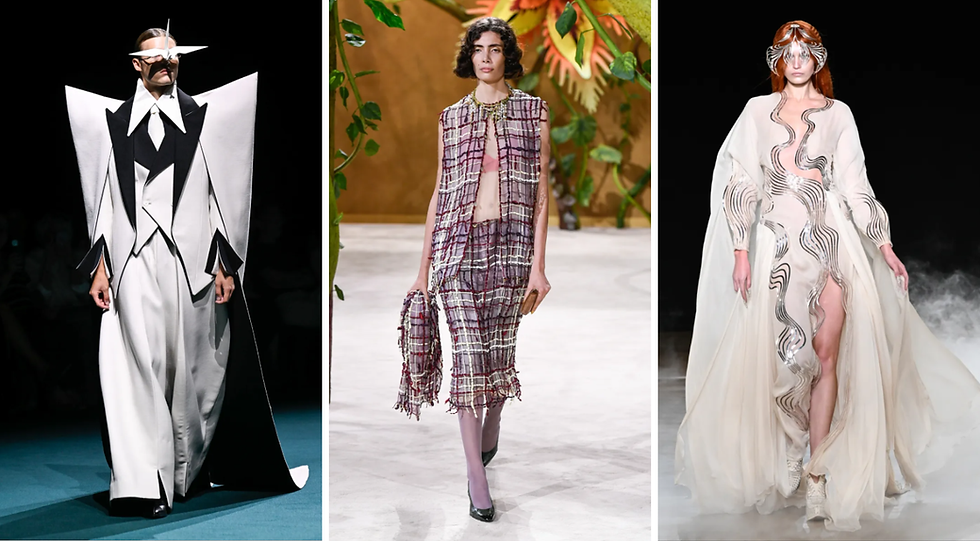
L: Tarun Tahiliani; R: Jayanti Reddy
If there was one takeaway from India Couture Week 2026, it's that couture is becoming far more exciting than just bridal fashion. This season, designers pushed beyond traditional wedding wear to tell stories through craft, culture, travel and personal memories, making every show feel completely different from the last.
Masaba Gupta made a memorable couture debut with a vibrant celebration of India, Anamika Khanna transformed the runway into a dreamy Moonlit Palace with a showcase in Hyderabad; JJ Valaya brought his signature royal grandeur with Siddi, Rohit Bal's house paid a moving tribute to the artisans behind the label; while Falguni Shane Peacock took us on a glamorous journey across continents.
Beyond the clothes, the week was full of details that caught our attention. Dramatic headpieces, embellished capes, sculpted corsets, flowing lehengas, integrated jewellery, intricate hand embroidery and statement accessories all proved that styling was just as important as the garments themselves. From bold colours and rich textures to impeccable craftsmanship, these were the collections that stayed with us long after the final walk.
Rahul Mishra
Rahul Mishra brought Hyundai India Couture Week 2026 to a spectacular close with DEVI, the collection that first debuted at Paris Haute Couture Week earlier this month. Alongside it, the designer also unveiled his latest Festive Couture collection, giving audiences a closer look at two distinct worlds united by exceptional Indian craftsmanship.
Moving away from a conventional runway, the presentation allowed guests to experience the garments up close. Along with the looks showcased in Paris, Rahul Mishra revealed new pieces from DEVI before seamlessly transitioning into festive and bridal couture.Inspired by Indian sculpture, DEVI explored the beauty of embroidery through intricate handwork. Using the brand's signature ektaarka technique, layers of thread created surfaces that looked almost like carved stone while remaining soft and fluid. Sculptural gowns, dramatic silhouettes and detailed embroidery showcased the remarkable skill of the atelier.
The second half of the presentation shifted to festive dressing, featuring floral motifs, rich zardozi embroidery, hand-painted fabrics and elegant bridal silhouettes. From statement lehengas to contemporary couture, the collection reflected Rahul Mishra's signature blend of traditional craftsmanship and modern design.
Another highlight of the evening was the collaboration with Nexxus New York. Inspired by the magnolia flower, the designer created a couture hair accessory that appeared throughout both collections. The finale saw actor Sobhita Dhulipala close the presentation, bringing together fashion and sculptural hair artistry in a memorable final moment. Thoughtful, beautifully executed and rich in detail, it was a fitting finale to this year's couture calendar.
SHREE Jewellers and Aisha Rao
Aisha Rao brought romance to the runway at Hyundai India Couture Week 2026 with Priyasi, a collection inspired by timeless love stories from history, literature and mythology. Exploring the emotions of longing, togetherness and remembrance, the collection celebrated love through beautiful craftsmanship and modern couture.
Known for her intricate detailing, the designer stayed true to her signature style with colourful appliqué, delicate embroidery and layered textures. Floral motifs appeared throughout the collection, while flowing drapes and sculptural silhouettes added softness and movement to every look.
The colour palette featured soft pastels along with deeper shades, allowing the embroidery and handwork to stand out. Every outfit felt romantic and feminine, with botanical details adding to the dreamy mood of the collection. This season also introduced bio-based materials such as bio-resham and bio-badla, blending innovation with traditional craftsmanship.
The runway itself became part of the storytelling. Giant tulips transformed the space into a dreamy garden, while music, lighting and live performances created an immersive experience. The show ended on a touching note, with every model carrying a tulip, symbolising hope, love and new beginnings.
Aisha Rao also introduced a fine jewellery collection in collaboration with Shree Jewellers. Inspired by Priyasi, the collection featured floral necklaces with pastel sapphires, emeralds, pink tourmalines and diamonds, along with statement diamond chokers and matching earrings. The jewellery beautifully complemented the couture, carrying forward the same romantic and nature-inspired theme.
With Priyasi, Aisha Rao presented a collection that felt elegant, romantic and full of emotion. Beautiful craftsmanship, modern silhouettes and thoughtful storytelling came together to create one of the most memorable showcases of India Couture Week 2026.
Tarun Tahiliani
This season, Tarun Tahiliani completely reimagined how couture is experienced. Instead of presenting a traditional runway show, he invited guests to step inside an immersive exhibition for Navratna, allowing them to experience the craftsmanship behind every piece up close. Inspired by the international tradition of haute couture exhibitions, it marked one of India's first couture showcases of this kind.
Spread across two floors of Bikaner House, the exhibition unfolded through a series of beautifully designed rooms, each dedicated to a different chapter of the collection. From the moment visitors entered, every sense was engaged. The soft fragrance of mogra filled the air, an all-white canopy suspended with corsetry created a dramatic entrance, while videos showcasing the Navratna collection played throughout the venue.
Spread across two floors of Bikaner House, a series of beautifully designed rooms guided visitors through different chapters of the house's design philosophy. Unlike a traditional fashion exhibition, these weren't archival pieces from the designer's past but the brand-new Bespoke Couture 2026 collection displayed like works of art. A dramatic red room celebrated bridal couture, while another showcased impeccable menswear tailoring. The best part? These weren't archival masterpieces from the designer's past but the brand-new Navratna couture collection, displayed like works of art.
One of the most fascinating spaces, Stone to Stitch, traced how architectural jali patterns evolved into one of Tarun Tahiliani's signature design languages, inspiring intricate chikankari, zardozi and threadwork. Every room revealed a different aspect of Tarun Tahiliani's design philosophy. One of the highlights, Stone to Stitch, explored how the architectural jali has evolved into one of the designer's signature motifs, inspiring intricate chikankari, zardozi and threadwork over the years. Another room celebrated floral inspirations, while a dedicated TT Corsetry space offered an intimate look at the craftsmanship behind the house's iconic corsets, and highlighted India's textile traditions through Ajrakh, Kashidakari, resham chikankari and exquisite mother-of-pearl embroidery from Jaipur.
Technology quietly enhanced the experience through immersive projections, digital installations and multimedia storytelling. Rather than replacing craftsmanship, these elements helped visitors appreciate the garments in a new way while staying true to the designer's India Modern philosophy, where heritage and innovation go hand in hand.
Guests were then welcomed into the ballroom, where 20 models dressed in conceptual couture moved gracefully through the space instead of walking a conventional runway. These sculptural looks explored Ang—the Hindi word for "body"—through beautifully crafted corsets that celebrated the natural form. Combining the precision of European corsetry with Tarun Tahiliani's signature drapes, the garments felt structured yet fluid. Rather than taking centre stage on a runway, models quietly moved through the exhibition in sculptural monochrome looks, allowing the garments to come alive without distracting from the experience. Guests could pause, observe every embroidery technique and appreciate details that are often missed during a fast-paced fashion show.
Jayanti Reddy
Jayanti Reddy's latest couture collection, The Gilded Era, was a celebration of elegance without excess. Presented at Hyundai India Couture Week 2026, the collection focused on beautiful craftsmanship, clean silhouettes and subtle glamour, proving that luxury can be understated.
The show featured 60 looks, including womenswear and menswear, with every outfit reflecting the designer's signature love for Indian craftsmanship. Traditional zardozi embroidery, threadwork and metallic details were used in a lighter, more modern way, giving the garments movement without feeling heavy.
The silhouettes stayed true to the label's aesthetic, with structured corsets, long tunics, flowing kaftans and dramatic trail skirts. While the shapes felt familiar, they were softer and more effortless this season, making the collection feel fresh and easy to wear. One of the highlights was the way the garments caught the light. Sequins, metallic threads and delicate embellishments shimmered beautifully as the models walked the runway. The colour palette mixed Jayanti Reddy's signature golds and ivories with rich shades of black, adding depth and a modern edge to the collection.
The hero pieces stood out for their intricate handwork and attention to detail, showcasing the skill of Indian artisans without overwhelming the garments. Every look felt balanced, with the focus firmly on craftsmanship and thoughtful design.
The collection stayed true to Jayanti Reddy's signature aesthetic while introducing a more modern, understated approach to couture. Traditional Indian craftsmanship remained at the heart of every look, but the lighter construction and cleaner lines made it feel fresh, sophisticated and relevant for today's couture wearer.
Dolly J
Dolly J.'s BRĀHM brought a softer, more romantic mood to the couture runway. A collection inspired by the rare Brahma Kamal flower that blooms in the Himalayas. Known as a symbol of purity, transformation and new beginnings, the flower became the starting point for a collection that celebrated quiet beauty instead of dramatic glamour. Staying true to her signature romantic style, Dolly J. presented soft, flowing silhouettes that moved effortlessly between modern occasion wear and bridal couture. The collection felt light, elegant and feminine, with every outfit showcasing the house's attention to detail.
Intricate jali work, delicate kashidakari embroidery and fine tassel details added texture and movement to the garments. Rather than using heavy embellishments, the craftsmanship was subtle, allowing every look to feel refined while still making an impact. The colour palette reflected the changing landscapes of the Himalayas. Rich shades of deep red, antique gold, rust and wine were balanced with soft pinks, ivory, silver and warm copper. Midnight black and beautiful tones of marine and celestial blue added depth, creating a collection that moved effortlessly from bridal wear to contemporary evening dressing.
While silhouettes ranged from flowing gowns and elegant lehengas to modern draped ensembles, all designed with Dolly J.'s signature mix of heritage craftsmanship and contemporary style, the embroidery and luxurious fabrics remained the highlight, proving that intricate handwork can feel fresh and modern. Every look felt graceful, detailed and effortlessly elegant, proving that sometimes the strongest statement is made in the quietest way.
Kunal Rawal
This year, Kunal Rawal's showcase was one of the biggest presentations of the season. Featuring over 150 menswear looks, Rawalgarh celebrated the evolution of Indian occasion wear by bringing together traditional craftsmanship, modern tailoring and innovative design. Inspired by the idea of a fort as a place where cultures, stories and artisans come together, the collection reflected the brand's journey over the last 15 years.
Guests were welcomed into the fictional world of Rawalgarh through a theatrical opening performance. Models dressed in Kunal Rawal's interpretation of Indian Black Tie acted as the guardians of this imagined kingdom, while music, movement and storytelling added drama to the experience. The designer also launched his first original music project, Rawalgarh Di Jugni, making the presentation feel like much more than a fashion show.
Divided into three chapters—Festive, Eveningwear and Ceremonial—the collection followed the modern Indian man through every important celebration, from intimate festivities to black-tie evenings and finally, the wedding day. Fresh ivory looks opened the show, featuring contemporary chikankari, subtle florals and clean tailoring. As the collection progressed, the colours became richer, with olive greens, burnt orange, rust, charcoal and mulberry making an appearance. Eveningwear introduced deeper shades of wine, aubergine and steel grey, while the finale embraced elegant tones of ivory, champagne and soft gold.
Signature Kunal Rawal silhouettes returned with a modern update. Bandhgalas, deconstructed sherwanis, shorter bundis, relaxed kurtas and tailored jackets felt lighter, sharper and more comfortable than traditional occasion wear. Military-inspired details, hidden pockets and detachable elements added a practical edge without taking away from the luxury. One of the standout moments was the introduction of a magnetic stole for grooms, designed to stay in place throughout wedding celebrations.
Indian craftsmanship remained at the heart of every look. Chikankari, Banarasi weaves, brocades, French knots, zardozi and intricate threadwork were paired with modern construction and interesting textures, giving heritage techniques a fresh identity while keeping them relevant for today's wearer.
Arpita Mehta
Arpita Mehta made her much-awaited India Couture Week debut with Ceremonial, a collection that celebrated the joy of Indian festivities through her signature blend of glamour and modern design. Filled with mirror work, shimmering embellishments and fluid silhouettes, the showcase brought together heritage craftsmanship and contemporary couture in equal measure.
Known for her vibrant aesthetic, the designer stayed true to her signature style while introducing a more elevated couture language. Traditional textiles such as Bandhani, Banarasi and tissue were paired with Kantha embroidery, making its first appearance in an Arpita Mehta collection. Signature mirror work was layered with gemstone embroidery, adding sparkle and texture to every look.
The runway featured sculpted lehengas, flowing saris, corseted blouses, contemporary drapes and easy occasion separates designed for the modern woman. Sharp tailoring balanced softer silhouettes, creating outfits that felt glamorous yet effortless. The collection moved easily from cocktail celebrations to wedding festivities, making it both versatile and celebratory.
The colour palette was equally striking. Soft shades of coconut, rose tan, sage, seafoam and teal gradually gave way to richer hues of violet and sindoor red, while metallic details and embellishments added plenty of shine. Every look reflected Arpita Mehta's love for colour, sparkle and feminine dressing.
The experience extended well beyond the clothes. Inspired by members-only lounges from the 1970s and 1980s, the runway was transformed into a stylish, intimate setting with vintage-inspired furniture, brass accents, velvet, suede and layered textiles. Rugs by Jaipur Rugs added warmth to the space, making guests feel as though they had stepped inside the world of Ceremonial.
Music also played an important role in bringing the collection to life. A mix of contemporary beats and nostalgic Bollywood sounds created an energetic atmosphere that perfectly matched the celebratory mood of the collection.
With Ceremonial, Arpita Mehta proved why her India Couture Week debut was worth the wait. The collection celebrated Indian craftsmanship through a fresh and modern lens, offering glamorous occasion wear that felt rooted in tradition while embracing the way women dress and celebrate today.
Rimzim Dadu
Rimzim Dadu's INLAE was one of those collections that made you want to look closer. While most designers focused on heavy embroidery and embellishment, Rimzim continued to explore new materials and modern craftsmanship, creating a collection that felt clean, futuristic and incredibly detailed.
The inspiration came from the centuries-old art of Mughal inlay work, but instead of recreating traditional patterns, she brought the idea into a modern setting. The biggest highlight was the use of mother-of-pearl, a material usually seen in jewellery or home décor. Tiny pieces were carefully placed into the garments, creating beautiful surfaces that shimmered every time the models walked. From a distance, the clothes looked almost metallic, but up close you could appreciate the incredible handwork behind every piece.
The colour palette stayed soft and understated, with shades of pearl white, silver, champagne and gunmetal dominating the runway. Rather than using bright colours, the collection relied on texture and light to create impact. As the models moved, the garments reflected light in different ways, making each look feel alive. The silhouettes were instantly recognisable as Rimzim Dadu. We saw structured saris, sleek gowns, cropped bandhgalas, tailored bombers and her signature fringe skirts. Even though many of the garments looked sculptural, they moved surprisingly well, showing just how much thought had gone into making these unusual materials wearable.
What we enjoyed most was how the collection blurred the line between fashion and jewellery. Some pieces looked like they had been carved from metal, while others had the shine of fine jewellery but flowed like fabric. It was minimal, modern and quietly luxurious.
Roseroom By Isha Jajodia
Roseroom by Isha Jajodia's Softly, Strong stayed true to the brand's romantic DNA while showing a more confident and mature side of the label. Inspired by European romance, French architecture and vintage femininity, the collection explored the balance between softness and strength through delicate fabrics, sculpted silhouettes and intricate craftsmanship.
Lace, which has always been at the heart of Roseroom, took centre stage once again. Chantilly, corded and guipure laces were layered together before being hand-finished with pearls, Swarovski crystals and intricate appliqué work. The three-dimensional floral embroidery added remarkable depth, while one of the most interesting details was the introduction of handcrafted clay flowers that blended seamlessly into the lace. Alongside, corsetry was the defining element of the collection. It appeared across metallic corsets, sculpted saris, dreamy gowns, voluminous skirts, tailored jackets and even tuxedos, creating structure while allowing the garments to move effortlessly. The silhouettes felt elegant yet modern, with sculptural drapes and clean lines giving the collection a fresh perspective on couture.
The colour palette unfolded beautifully throughout the show, beginning with soft ivories and blush pinks before moving into richer shades of emerald, teal, ruby, the brand's signature scarlet and touches of gold. The transition in colours mirrored the journey of the collection, becoming bolder while still holding on to its feminine charm.
The embellishment never felt excessive. Every crystal, pearl and floral detail seemed carefully placed, allowing the craftsmanship to shine without overpowering the garments. The collection felt romantic, but there was also a quiet confidence running through it. It wasn't just about beautiful dresses; it was about thoughtful construction, technical skill and the many hours of handwork behind every look. Knowing that many of the three-dimensional floral motifs were handcrafted by women artisans working from their homes made the collection even more special.
JJ Valaya
JJ Valaya's SIDDI at Hyundai India Couture Week 2026 drew inspiration from the legacy of the Siddis and the cultural exchange between Africa and India. Rich craftsmanship and regal silhouettes were at the heart of the collection. The runway opened with rich jewel tones, antique golds and earthy hues before moving into softer ivories, contemporary saris paired with embellished capes, intricately embroidered lehengas, churidars with kurtas, shararas, anarkalis and embroidered dresses. Signature micro-trends included micro veils, boxy jackets, leg-of-mutton and puffed sleeves, fringes, plenty of tassels and intricately embroidered lehengas, regal sherwanis and sharply tailored bandhgalas all carried the house's unmistakable royal aesthetic.
The accessories were just as striking as the clothes. Tasselled micro veils floated down the runway, embellished batua belts added a traditional touch, while crescent-shaped bags perfectly. While Western-inspired tailoring blended seamlessly with Indian craftsmanship. Chevron motifs were elevated through couture techniques, while zardozi, aari, dori work, metallic embroidery and crystals added remarkable depth to every garment. Tassels appeared everywhere—from cape edges to accessories—bringing movement to the collection, while micro veils, crescent-shaped bags and embellished batua belts added a playful, modern finish.
House of Masaba
House of Masaba's couture debut was easily one of the most unexpected moments of Hyundai India Couture Week 2026 so far. After years of redefining contemporary Indian fashion through prints and playful storytelling, Masaba Gupta finally stepped into the world of bridal couture—and true to form, she did it entirely on her own terms. The collection was avant-garde, quirky, colourful and refreshingly free from the usual bridal clichés.
From the very first look, the runway exploded with colour. Vivid pinks, sunshine yellows, lush greens, fiery oranges and tropical blues replaced the predictable palette often associated with couture. The collection celebrated the India Masaba often speaks about—joyful, loud and unapologetically expressive—before transitioning into a more resort-inspired mood with breezy silhouettes and Caribbean influences.
What made the collection particularly interesting was the way Masaba translated her signature visual language into couture techniques. The bold prints that have become synonymous with House of Masaba were painstakingly recreated through intricate embroidery, beadwork and embellishment.
The silhouettes reflected the same spirit of experimentation. Alongside flowing lehengas and contemporary drapes were embellished bikini-inspired blouses, sculpted corsets and playful separates that blurred the line between bridal, occasion wear and resort dressing. One of the standout details was the extensive use of handcrafted beadwork. Some bustiers were created almost entirely from cascading beads, and accessories became just as important as the garments themselves. Oversized handbags appeared alongside whimsical pineapple-shaped bags. The headpieces, however, stole the show. Elaborate shell-encrusted headgear, dramatic sculptural creations and even deity-inspired headpieces transformed each model into a walking work of art.
The jewellery, created in collaboration with Indriya, grounded the playful collection with a sense of tradition. Rich gold necklaces, layered chokers, temple-inspired earrings and statement bridal pieces complemented the contemporary silhouettes beautifully. Brides wore bold colours instead of muted tones, unconventional accessories instead of predictable styling, and silhouettes that felt youthful, confident and fun.
Rohit Bal
DASTKAR was an emotional homecoming for the House of Rohit Bal. More than a couture collection, it was a tribute to the artisans who have quietly brought the designer's vision to life for over three decades. There was a sense of nostalgia throughout the show, but it never felt weighed down by the past. Instead, it celebrated the people whose craftsmanship continues to define the house.
Visually, the collection stayed rooted in the design language that made Rohit Bal an icon. Rich silks, plush velvets and heritage textiles formed the foundation of the collection, elevated through layers of meticulous hand embroidery. The silhouettes ranged from structured sherwanis and sharply tailored jackets to fluid anarkalis, lehengas and sweeping capes, balancing architectural precision with softness and movement.
The embroidery was undoubtedly the strongest aspect of the collection. Drawing inspiration from the decorative richness of French tapestries and vintage wallpapers, the garments featured ornate floral motifs, rhythmic line work and intricate textural patterns that demanded a closer look. Threadwork was layered with tonal embellishments, metallic accents and dimensional embroidery, creating depth rather than obvious sparkle. Instead of relying heavily on crystals, many looks celebrated the richness of traditional embroidery techniques, proving that couture can feel luxurious through craftsmanship alone.
The colour palette reflected the same restrained elegance. Classic ivories and blacks were punctuated with deep wine, emerald, jewel tones and antique gold, creating a regal mood without becoming theatrical. These colours allowed the embroidery to stand out naturally, highlighting the texture of the fabrics and the complexity of the handwork. Several looks paired monochromatic embroidery with richly textured textiles, creating an understated sense of opulence that has long been synonymous with the House of Rohit Bal.
What also stood out was the proportion play throughout the collection. Voluminous sleeves, elongated jackets and layered separates were balanced with clean tailoring, ensuring the silhouettes felt contemporary despite their traditional influences. There was an ease to the garments, even when they carried extensive embroidery, a testament to thoughtful construction and craftsmanship.
Falguni Shane Peacock
Falguni Shane Peacock's Le Grand Voyage was exactly what its name promised—a journey told through couture. Inspired by the designers' travels, the collection moved across cities and cultures, borrowing from the grandeur of Rome, the romance of Paris, the Gothic architecture of Strasbourg, the palaces of Bavaria and, closer to home, the timeless beauty of the Taj Mahal. The runway was filled with the brand's signature glamour, but this season it felt more layered. There were richly embroidered tapestry jackets, embellished lehengas, sharp sherwanis, sculpted corsets and dramatic capes, each carrying references to architecture, art and history. Metallic embroidery and crystal work reflected light beautifully, while structured silhouettes balanced the ornate detailing with a contemporary edge.
The colour palette also stood out, moving between warm golds, bronzes, soft blush tones and muted neutrals.
What tied the collection together was its sense of escapism. Rather than focusing on one place or one tradition, Le Grand Voyage celebrated the memories collected through travel and translated them into couture.
Anamika Khanna
Anamika Khanna's Moonlit Palace felt like a story unfolding one chapter at a time. Presented at the beautiful Taj Falaknuma Palace in Hyderabad, the collection opened with soft, flowing drapes in muted shades that looked almost weightless as they moved down the runway. The silhouettes were relaxed and elegant, and one of the details that stood out was how jewellery was built into the garments themselves. It didn't feel like an accessory added at the end, but like a natural part of each look.
The mood changed with the second chapter, inspired by Barmer in Rajasthan. Suddenly, the runway was filled with richer colours, intricate mirrorwork and touches of gold that caught the light beautifully. The handcrafted textiles, created with women artisans, added depth to every look and brought a sense of warmth and celebration to the collection. It was a reminder of how traditional Indian craft can be reimagined in a modern couture wardrobe.
The final chapter took inspiration from Kolkata's Kalighat, slowing the pace once again. The silhouettes became softer and more fluid, with effortless drapes and refined tailoring that felt both timeless and contemporary. Metallic threads caught the light, embroidery revealed itself gradually, and every look felt rooted in craftsmanship rather than excess.


Comments