
What India Is Drinking Now: The Craft Spirit Revolution India Didn’t See Coming
- Alvira Dsouza
- Apr 1
- 7 min read


Gin and tonic, whiskey sours, and picantes may still sit comfortably on our tables as classics, but the way India drinks craft alcohol labels and cultural spirits is clearly evolving. From shifting preferences and drinking habits to a deeper curiosity about what goes into a glass, today’s consumer is far more engaged than before. Alongside this shift, there is a noticeable rise in Indian craft labels and culturally rooted spirits that are pushing boundaries and offering something more nuanced, personal, and often experimental.
A study by Alcohol Health and Research World highlights how drinking in India has never been uniform. Regional, cultural, and social differences shape consumption patterns across the country, making it impossible to define a single drinking identity. Today, that diversity is finding expression in the kind of spirits being created and consumed.
As conversations around alcohol evolve, so does the experience of drinking itself. To understand this shift, The Style List spoke to Fay Barretto, founder of Mr Bartender & The Crew — India’s first LGBTQ+ inclusive bartending company — and several homegrown brands redefining the craft alcohol space.
The Curious Drinker and the Rise of Indian Flavours

Today’s drinkers are more informed and far more curious. They are not just ordering a cocktail but asking questions about ingredients, origins, and techniques. As Fay Barretto shares, people now want to connect with what they are drinking, often turning bar interactions into meaningful, shared experiences. “This curiosity has also brought Indian ingredients into sharper focus. From kokum and curry leaves to native fruits and spices, modern mixology is embracing local flavours in a way that feels both authentic and exciting,” Fay mentions.
Furthermore, she says, “India’s contribution to global cocktail culture is not new. The concept of 'punch,' originally derived from the Indian word for five, was built on a five-ingredient format used in early beverages. This legacy continues to influence how Indian ingredients shape contemporary drinks today.” As per her, in the near future, Indian and Asian spirits such as feni, mahua, urrak, and chaang will gain global recognition, placing India firmly on the world’s craft spirits map.
Craft Labels Shaping India’s Drinking Culture

Lost & Found Rum
For Third Eye Distillery, Lost & Found is less about creating another spiced rum and more about reconnecting with India’s own legacy. Head of Brand Advocacy, Mr Dimi Lezinska, Third Eye Distillery describes it as “bright, layered, and a little untamed,” a spirit that mirrors the tropics it comes from. On the nose, it opens with orange and vanilla, and the palate moves to cassia, nutmeg, chocolate, and roasted notes before settling into a lingering finish of cacao, wild honey, and soft spice. Bottled at around 42.8% ABV, it carries enough strength to hold its structure while remaining approachable.
What sets it apart is its sense of place. Built on India’s historic relationship with sugarcane and spice routes, the rum is positioned as a return rather than a reinvention. As Lenzinska explains, spirits made in India today can “stand shoulder to shoulder with the best in the world.” When it comes to drinking it, the approach is intentionally relaxed. Start with it on ice, let it open up, or lengthen it with ginger ale. Even in cocktails, the idea is not to overpower it but to let the citrus and spice naturally unfold.

Nisaki Gin
With Nisaki, the idea was never just to create a gin but to build an experience around it. Co-Founders Sanchit Agarwal and Nidhi Kedia, Peacock Project Distilleries call it “bright, layered, and highly approachable,” with citrus leading the way, supported by floral notes of rose and lavender, and a gentle spice-led finish. Typically bottled at around 43% ABV, it balances intensity with smoothness, allowing the botanicals to shine without overwhelming the palate.
What makes Nisaki instantly recognisable is its colour-changing quality, a detail that naturally invites conversation and curiosity at the bar. But beyond the visual appeal lies a carefully balanced botanical blend and a triple-distilled base that ensures refinement. For a first-time experience, the Co-Founders recommend keeping it simple. "A classic gin and tonic not only opens up the botanicals but also allows the transformation to unfold."
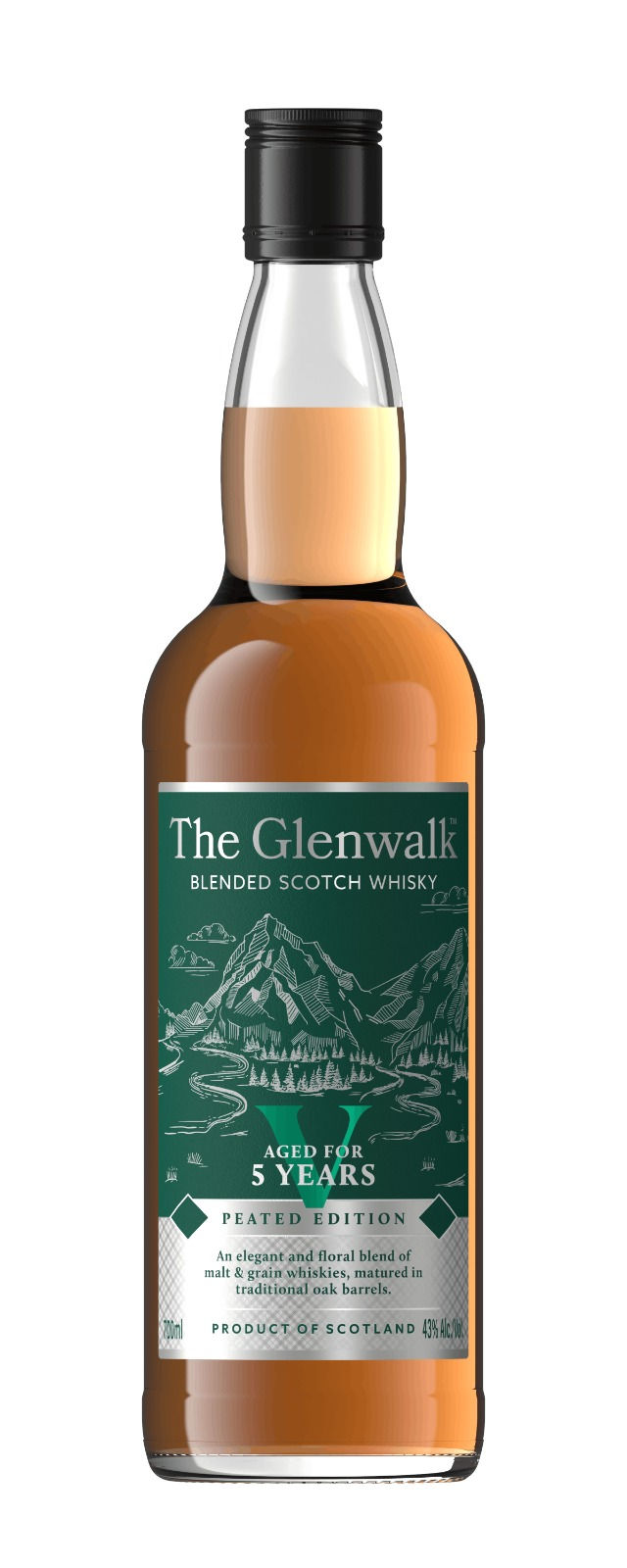
The Glenwalk Blended Scotch Whisky
The Indian craft alco-bev movement may still be in its formative phase, but it is evolving quickly, and brands like The Glenwalk, co-founded by Sanjay Dutt and Moksh Sani, Founder of Living Liquidz and Co-Founder of Cartel Bros, are helping shape that shift through a deep understanding of the Indian palate. Positioned as a smooth, mellow whisky, The Glenwalk is designed for those who prefer an approachable, easy-drinking style without compromising character. Bottled at around 40–42.8% ABV, it carries notes of soft vanilla, light oak, and gentle caramel sweetness. The palate opens into warm malt, honey, toasted grain, and subtle spice, before finishing rounded and balanced.
The idea here is simplicity with depth. It is a whisky that does not overwhelm, making it ideal both for new drinkers and those who enjoy a more relaxed, everyday pour. Its versatility also makes it cocktail-friendly, working particularly well in a highball, Old Fashioned, or even a whisky-forward Picante, where a fresh, spicy twist adds a new dimension to its otherwise mellow profile.

The Glenjourneys Single Malt
In contrast, The Glenjourneys co-founded by Ajay Devgn and Moksh Sani, Founder of Living Liquidz and Co-Founder of Cartel Bros. takes a more exploratory route, offering a single malt experience that leans into complexity and cask-driven character. Also crafted with the Indian consumer in mind, it builds on a similar flavour foundation of vanilla, oak, caramel, and warm malt, but evolves through three distinct cask expressions: Rum Cask, Sherry Cask, and Bourbon Cask. Each brings its own personality, allowing drinkers to engage more deeply with flavour and texture.
The Glenjourneys invites drinkers to move beyond familiarity and explore how maturation and cask influence can shape a whisky’s identity. Despite this added complexity, it remains balanced and approachable, ensuring that even those new to single malts can navigate it with ease while more seasoned drinkers can appreciate its layered profile.

Shelter 6 Vodka
Shelter 6 takes a more refined, technical approach. Designed to be clean, smooth, and expressive, it undergoes multiple rounds of distillation and filtration. Moksh Sani, Founder of Living Liquidz and Co-Founder of Cartel Bros. mentions, 'Shelter 6 represents the ultra-clean and refined end of the spectrum. The vodka undergoes six rounds of distillation and five stages of filtration through sand quartz, and birch charcoal wood. It is then blended with glacier-fed mineral water, resulting in an exceptionally smooth and pure spirit.
Bottled at around 40% ABV, it delivers a crisp, polished profile that works equally well for sipping or mixing. Its clarity and balance make it especially suited for citrus-forward or herbaceous cocktails where the base spirit still holds presence. It represents a shift in how vodka is perceived, not just as a neutral base, but as something with its own identity and texture.
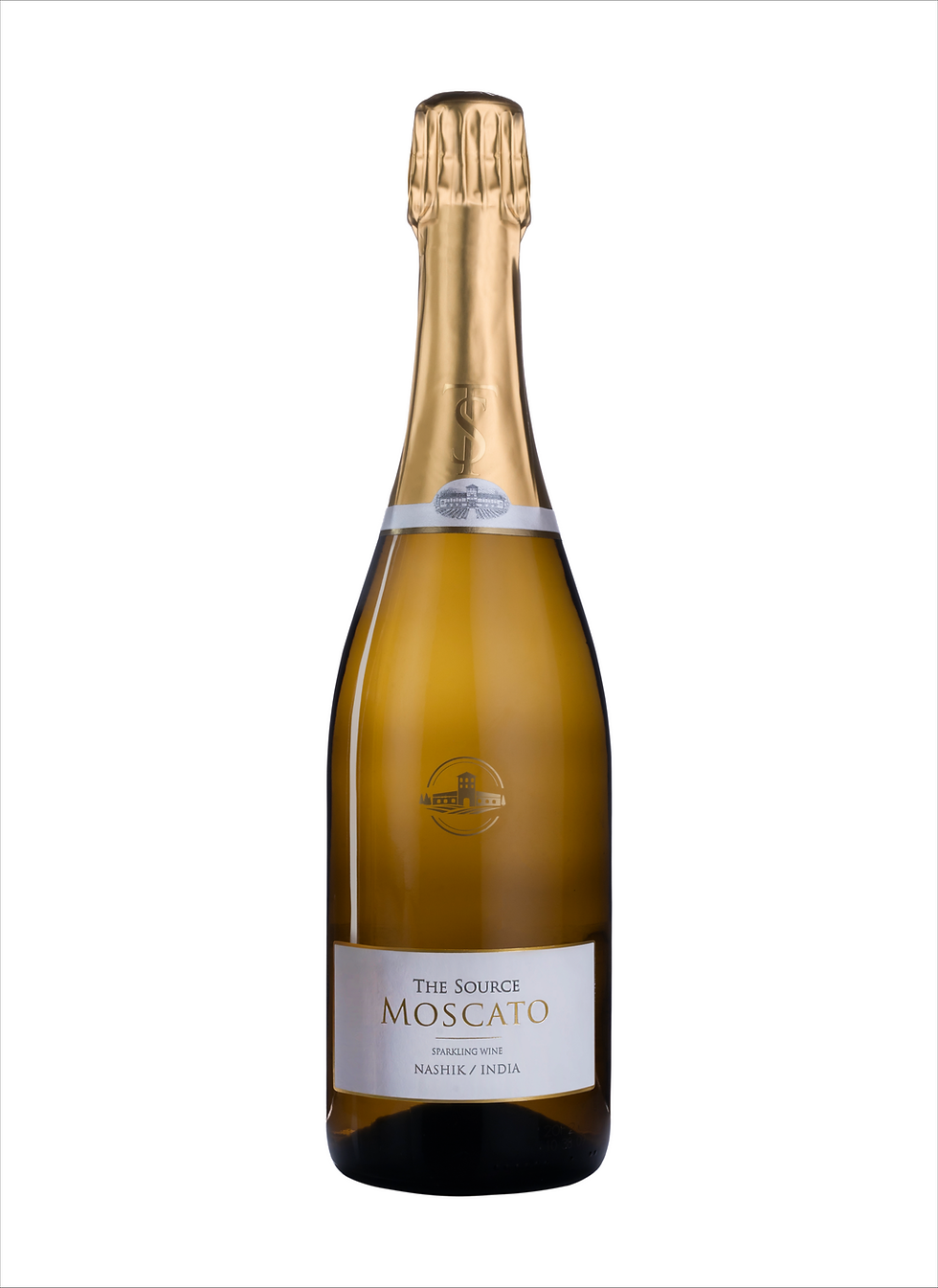
The Source Moscato Sparkling Wine, Sula Vineyards
If there’s one place in India that instinctively brings to mind rolling vineyards and ripening grapes, it is Nashik. And in many ways, that association has become just as closely tied to Sula Vineyards, a name that has quietly shaped how the country experiences wine today. At Sula, the focus has always been on making wine that feels intuitive to the Indian consumer while staying rooted in a strong sense of place. The Source Moscato reflects this approach with a profile that is light, expressive, and effortlessly drinkable.
With a lower alcohol level of around 7–8% ABV, it leans into a softer, more approachable style. On the nose, delicate floral aromas come through first, followed by hints of ripe peach and tropical fruits. The palate is gently sweet but well-balanced, carrying notes of juicy stone fruit, subtle citrus brightness, and a refreshing lift that keeps it from feeling heavy. The finish is clean, slightly playful, and lingers just enough to make each sip feel easy and inviting.
"It is the kind of wine that does not demand attention but quietly holds it, making it ideal for casual afternoons, lighter pairings, or even as an introduction to wine for those just beginning to explore.
But beyond flavour, what defines Sula today is a deeper commitment to how the wine is made. Sustainability has become an integral part of the journey, with a significant portion of operations aligned with responsible farming practices, ensuring long-term stewardship of the vineyards," shared COO and Chief Winemaker, Mr Gorakh Gaikwad.
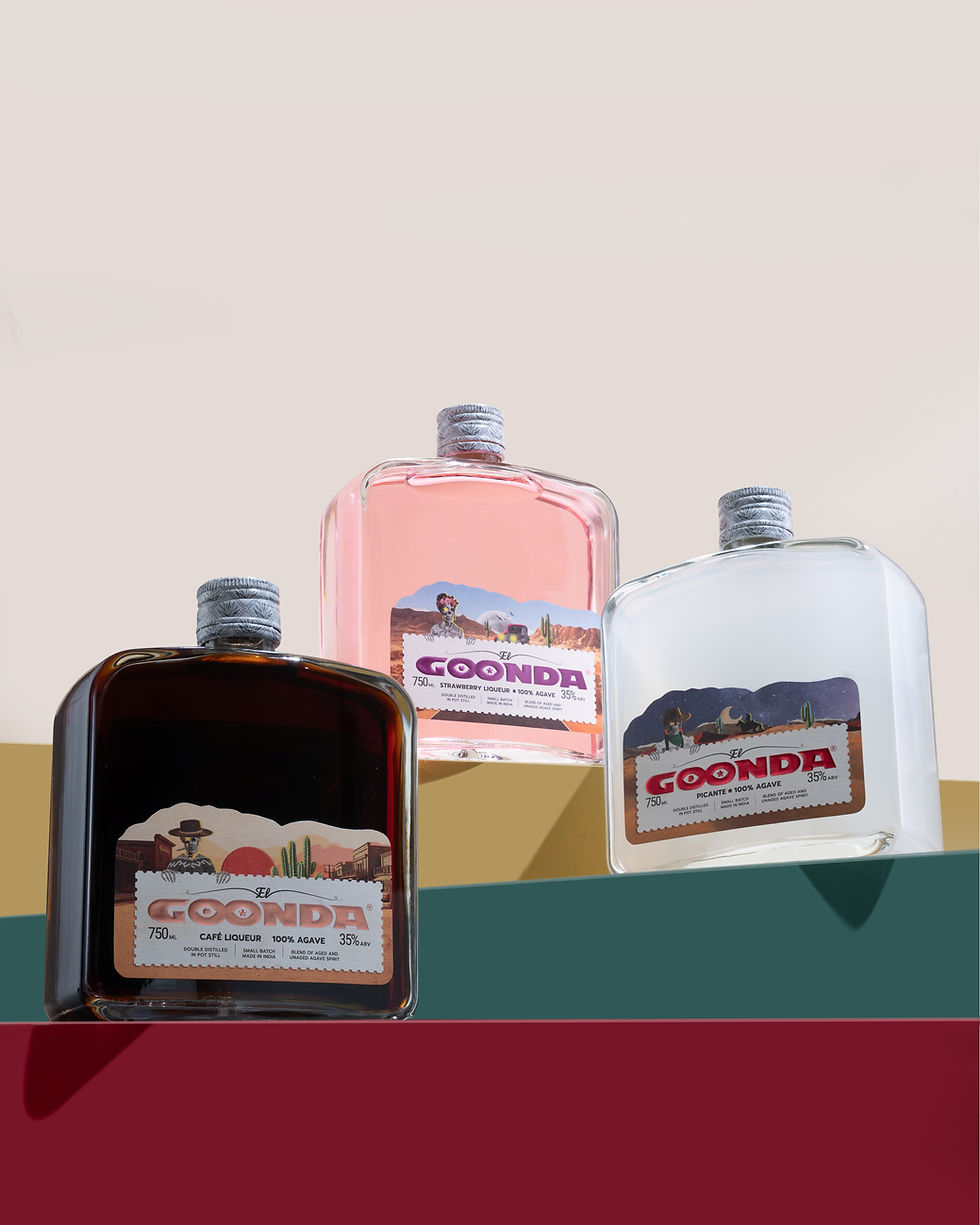
El Goonda, co-founded by Actor Karan Tacker
Built on Indian-grown agave, the spirit brings together brightness, earthiness, and a clean, crisp finish. Bottled at around 42.8% ABV, it balances bold flavour with a smooth, easy-drinking character. Citrus and herbal notes lead on the nose, while the palate carries zesty freshness with a soft pepper warmth, making it vibrant without feeling heavy.
"As the team puts it, Goonda was never meant to behave like a conventional liquor brand. It was built as a culture-first lifestyle label that feels bold, playful, and reflective of a generation that does not necessarily follow traditional rulebooks," as Tacker mentions.
That thinking extends to how it is enjoyed. A Goonda Margarita stands out as one of the best ways to experience the spirit, where the agave base creates a clean yet flavourful backbone. A classic mix of Goonda, orange liqueur, and fresh citrus, shaken over ice and finished with a salted rim, keeps things simple while letting the spirit shine.
At the same time, its versatility allows it to move easily between formats. It works just as well in well-chilled shots, over ice, or even as a light highball with soda. The larger idea is to keep the experience relaxed and social, perfectly suited to warm Indian evenings.
What We Can See Ahead
Premiumisation today is less about price and more about craftsmanship, authenticity, and experience. Whether it is a rum inspired by spice trails or a gin that transforms in colour, each bottle is becoming a conversation in itself. As the landscape continues to evolve, the focus is slowly moving from simply drinking to drinking better. And in that shift lies the future of India’s alco-bev story, one that is thoughtful, expressive, and deeply connected to both palate and place.


Comments