
A Himalayan Reset: The Westin Resort & Spa Himalayas Is Designed To Make You Slow Down

Updated: Aug 17

They say the best vacations are the ones that make you forget your worries, bring you back to the present and leave you feeling like you have pressed reset. The Westin Resort & Spa Himalayas, a wellness-focused property near Rishikesh, worked its charm to fulfil that very desire. A mere five-hour drive from Delhi, the resort is rooted in the philosophy of bringing the outdoors in, with biophilic design at the heart of its architecture and interiors.
As the gates to Westin Himalayas open, a winding, pebbled road flanked by manicured green landscapes slowly begins to engulf you. The greenery itself seems to work as a gentle cue to slow down, breathe in the freshness of the mountain air, and gradually find a sense of calm.


The arrival sets up an interesting contrast. A large contemporary structure rises ahead, defined by sharp corners, geometric forms and extensive use of wood, with louvre-like detailing adding another layer to the façade. Sculptural PVC installations mimic the shapes of stones, interspersed with flora, creating a play between architecture and the natural landscape. But step through the entrance and the narrative shifts. The linear geometry of the exterior gives way to interiors that feel softer, warmer and far more welcoming — almost like being enveloped in a warm hug.
The Design
Stepping into the property, an earthy palette of brown, beige and cream, punctuated with subtle accents of green, immediately sets a calming tone. The gentle sound of flowing water further heightens the senses, easing you into the slow, unhurried rhythm of the resort. A hospitable staff member welcomes you with a traditional Buransh (Rhododendron) drink, setting the tone for the wind-down journey ahead.

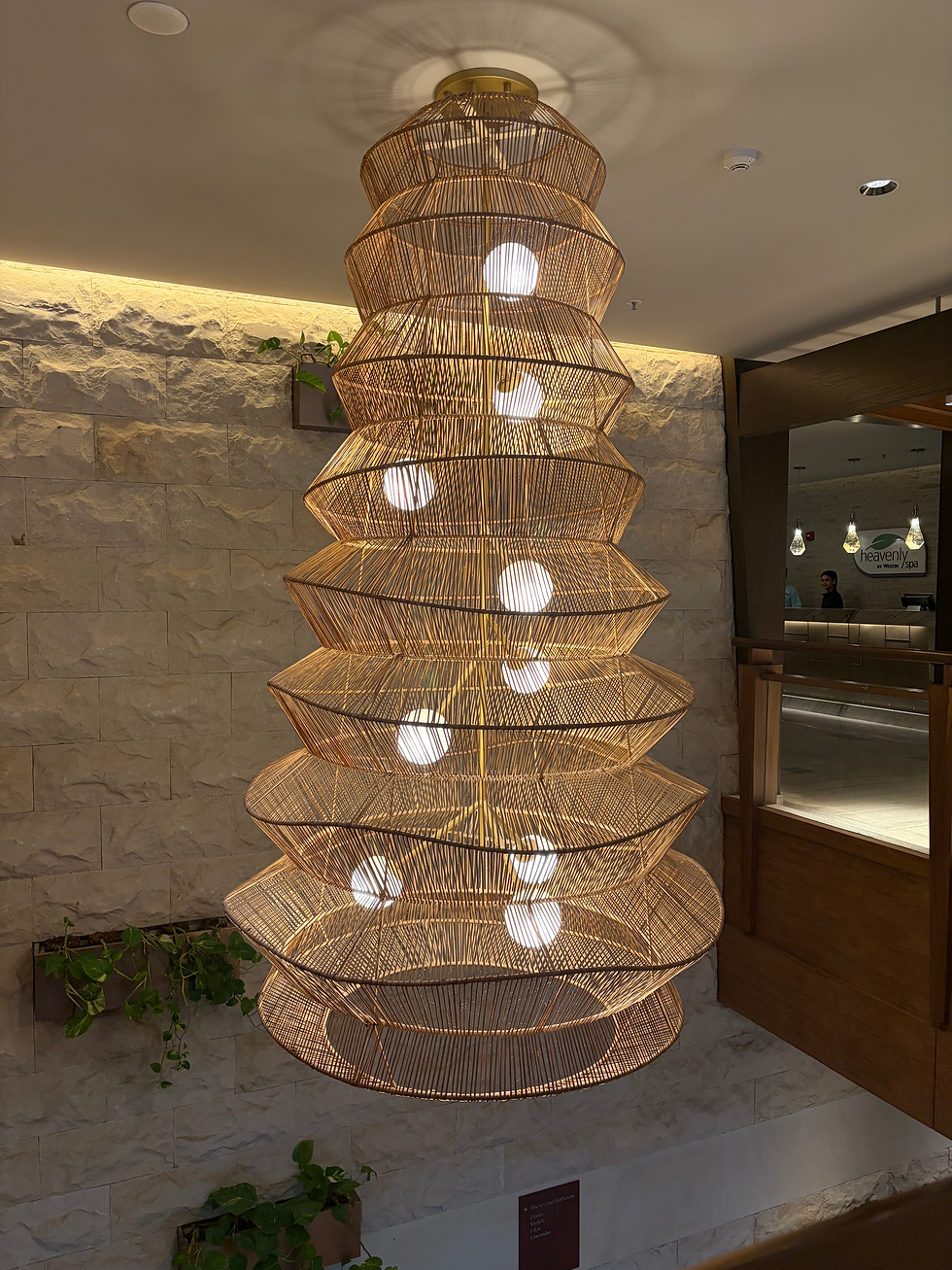

Nature is woven into the lobby in unexpected ways. Terrariums are artistically placed across tables, while sculptural cane chandeliers form concentric circles overhead. Brass tables sit alongside wooden chairs, statement sculptural pieces add character to corners, and a dedicated space brings together specially landscaped flora in pots. Nothing feels overly ornamental; instead, the design seems to borrow from nature without trying too hard to replicate it.


One of the standout elements is a large brass vessel positioned beneath an artistic water feature, where water falls through pipes suspended from dangling chains. The idea draws from Vastu and Feng Shui, where the combination of water and brass is believed to encourage positive energy and create a more harmonious atmosphere. That sense of thoughtfulness continues throughout the resort. Organic structures, soft edges and curved forms soften the architecture, while earthy materials help the spaces feel connected to their Himalayan surroundings. Even remnants of the landscape have found a place within the design. Tree bark from trees removed during the development of the property has been repurposed to fill negative spaces, giving the interiors another layer of connection to the natural world.

A personal favourite was the washroom on the lobby floor, which felt less like a functional space and more like an extension of the spa experience. A large bay window opens towards the landscape, allowing natural light to filter in, while carefully chosen furniture and fittings elevate the space further. A suspended tap, a long basin, and intricately detailed inlay work come together to create a setting that feels surprisingly serene for a washroom.
Accomodation
Soon after, we were accompanied to our suite on the 10th floor, where the in-room check-in made the transition from lobby to room seamless. Spacious and filled with natural light, the suite came with three balconies overlooking the pool and the valley — undoubtedly its biggest highlight. Stepping out onto them, with the mountains stretching into the distance, made it easy to understand why the property places such emphasis on reconnecting with nature.
Inside, the accommodation followed the same muted, earthy aesthetic. A dining table, two televisions, a generous walk-in wardrobe and a bathtub in the bathroom made the suite feel designed for lingering rather than simply sleeping between activities. Yet, it was the three balconies that kept drawing us back outside.
Beyond the suites, the property also houses an Executive Suite, a Garden Suite with a plunge pool, and two Royal Garden Villas tucked away in a more secluded wing. Each villa features a king-size bedroom, mountain views, a balcony and a private pool. And then there is the plush Westin Heavenly® Bed 2.0, which lives up to its name, making sinking into bed at the end of the day feel like the most natural conclusion to a day designed around slowing down.
Dining
With wellness and healthy eating at the heart of the experience, The Westin Resort & Spa Himalayas’ Eat Well programme focuses on nourishment that feels both wholesome and indulgent. From avocado toast, poahced pear and goat cheese salad and quinoa salads to acai bowls and protein-forward meals, the F&B team is happy to accommodate individual dietary preferences and even personalise a menu to suit your needs.
Wellness rituals extend to the room too, with Tamra Jal — water stored in a copper vessel, drawing from an ancient Ayurvedic practice traditionally believed to support digestion, immunity, and antibacterial properties — placed in the room as part of the stay.

At the all-day dining, farm-to-fork restaurant Akasa, the menu spans familiar multi-cuisine favourites alongside regional flavours. A particularly memorable meal came in the form of a Garhwali Thali, which championed Jakhya, a Himalayan herb used to lend its distinctive flavour to regional dishes.
Stuffed gucchi mushrooms, Thai curry, and a warming mushroom soup also made their way to the table. Adding to the sense of leisurely indulgence is The Westin Saga, an evening tea ritual. — another reason to pause, sit back and simply enjoy the surroundings.
For something more experiential, Toya, the resort’s fine-dining Asian restaurant, brings together an intimate setting and an interactive culinary experience. A live Teppanyaki counter, led by Filipino chef Dave, becomes the centre of the room, while an electric fireplace, dim lighting and a grand bar lend the space an atmospheric quality. The menu moves from delicate rice paper rolls and sushi to gyoza, authentic Pad Thai, and gochujang chicken paired with Sichuan noodles. Dinner ended on a particularly indulgent note with Chef Dave’s airy, fluffy Japanese cheesecake.
Spirits get their own spotlight too, with Pebbles Poolside Bar and Haven Lounge, an award-winning whisky bar overlooking the valley. For those choosing to skip the alcohol, the resort’s women bartenders’ programme offers equally thoughtful alternatives. During our visit, Kuhi, fondly known as KK, whipped up two zero-sugar mocktails sweetened with jaggery, a nod to our wellness journey without feeling like something was missing.
Recreation
Staying true to the idea of water being at the centre of the experience, the pool is undoubtedly one of the resort’s guest favourites. With submerged lounge beds, a fountain and an infinity edge that appears to merge into the clouds, it creates the illusion of floating above the valley. There is something almost surreal about it — almost like heaven on earth, and a fitting nod to Dev Bhoomi, the land of the gods.
Stretching across the property, the expansive pool leads towards Pebbles, the poolside bar, where bar stools sit directly in the water, allowing you to enjoy a drink while looking out towards the valley. On the other side, a whirlpool comes with four built-in lounge beds, offering yet another place to settle in and take in the views. Further ahead, a dedicated kids’ pool features a soft-surface rain-dance area, allowing little ones to splash around and have fun without compromising on comfort. Come evening, the poolside transforms into one of the most picturesque spots on the property. As the sun begins to dip, the sky moves through shades of orange, red, pink and grey, creating a constantly changing backdrop. With a mocktail in hand, the sound of gently flowing water around you and clouds stretching across the blue Himalayan sky, it becomes remarkably easy to slow down.
Beyond the pool lies another happy corner of the resort — Hakuna Matata. True to its name, which translates to ‘no worries’, the space is designed to bring out the child in you. Video games, bowling, air hockey and a pool table create an easy route back to childhood nostalgia. A must-do includes the VR char Dham experience which almost makes you feel as though you are at the spot.
For younger guests, the Family Kids Club adds another layer to the experience, with interactive activities, a playful cave and supervised care. Together, these experiences make the resort genuinely multigenerational, with something to keep every age group occupied.
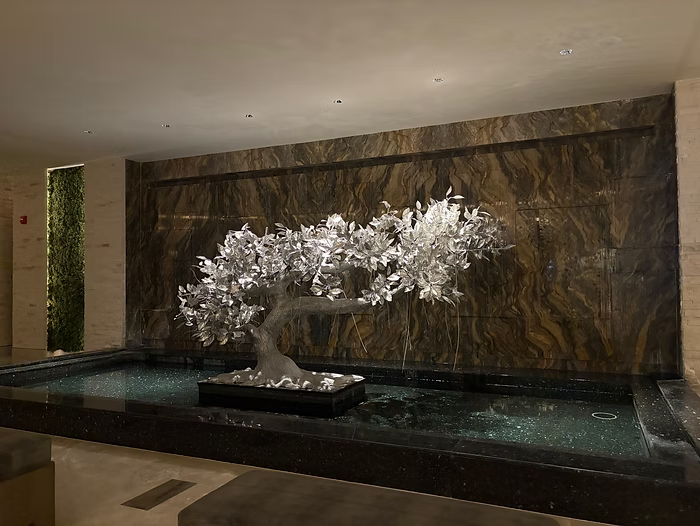
And then comes the Heavenly Spa by Westin and The Westin Workout fitness studio. For a property built around wellness, it is fitting that the spa is the largest within the Westin portfolio. At its centre stands a striking silver tree-like structure, almost reminiscent of the Tree of Life, setting the tone for the tranquil spaces around it. With 10 treatment rooms and a private relaxation area to retreat to after a treatment, the spa feels almost sacred.

Wellness extends into the fitness centre too, with a dedicated yoga area tucked away from the energy of the gym. Separated by a wooden partition, the space creates a quieter corner to stretch, breathe and gently let go of the day. The reception team also shares a detailed daily activity roster with guests, making it easy to discover everything from wellness sessions to recreational experiences during the stay.
For those looking to venture beyond the resort, the surrounding Himalayas offer plenty to explore. Guests can sign up for the Kunjapuri Trek, take a day tour of Rishikesh, head out on nature trails or opt for a private picnic on the Toya lawn. Whether you choose to fill the day with activity or spend it doing very little at all, the beauty of the experience lies in having both choices — and, perhaps, in realising that doing nothing can sometimes be the most restorative activity of all.


Comments