
Summer 2026 Is Bringing Back Homes That Feel Real, Warm, and Effortlessly Lived-In


With temperatures soaring, homes are no longer styled solely for visual appeal. Interior trends in 2026 are moving away from heavily styled spaces and leaning towards arrangements that feel far more lived-in. From the use of textures to a restrained approach to combining spaces, summer interiors are prioritising comfort over aesthetics alone. In design language that translates to airy layouts, softer colours and arrangements that are easy on the eyes. The idea is simple — to let spaces breathe a little more, especially during the summer months.
Imperfection as Luxury
Image Credits: AE Living
A neatly arranged space can look good in pictures, but it doesn’t always fit everyday living. Most homes are inspired by designs seen online and thus lack a personal touch, resulting in spaces that often feel empty and cold. starts to feel a bit too empty. However, interiors today are moving away from this cookie-cutter idea towards keeping it real and imperfect — a few imperfections here and there are what make a home feel more natural.

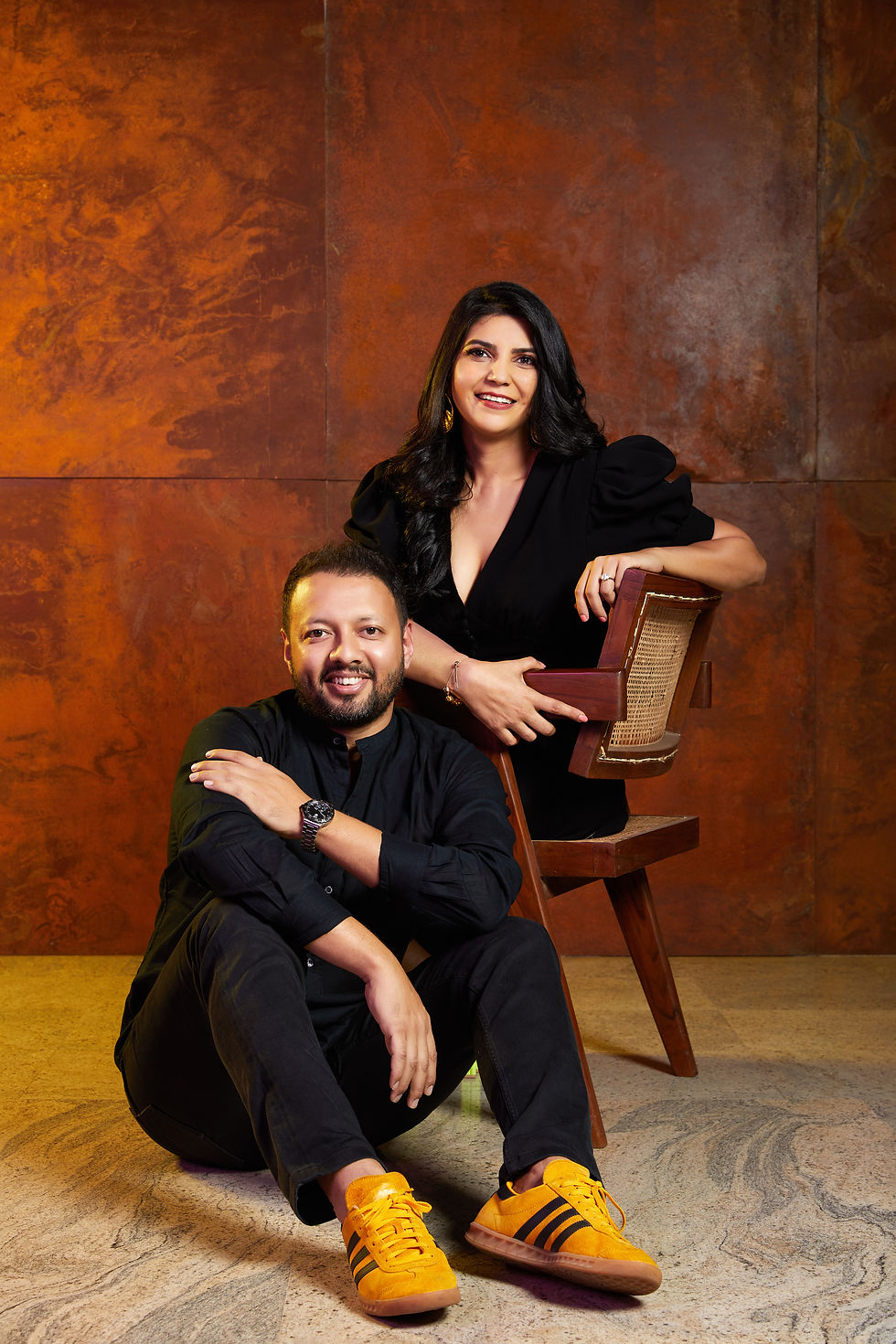
"The most evocative interiors today possess loosened edges," shares Ankit Navratan Jain, Co-founder & Director, AE Living. A vintage armchair may sit beside contemporary upholstery without explanation. Books are stacked naturally rather than arranged by colour. He continued to say, "This softer approach has given rise to what many designers quietly refer to as 'gentle clutter' — interiors layered with objects that carry familiarity and memory rather than status alone. These details interrupt the anonymity modern spaces often suffer from and allow a home to feel truly inhabited."

Speaking further on the same, Shivani Gupta Mittal, Principal Designer, House of Lalittya, says, "The earlier version of minimal interiors often felt stark, cold, and overly disciplined. Today’s approach feels softer and more lived-in. It embraces warmth, imperfection, and individuality. Spaces are no longer expected to look untouched; they are meant to feel personal, comforting, and emotionally responsive."
Natural Materials Are Defining the Season
Materials and textures play an equally important role in interiors, and for summer 2026, playful, naturally occurring textures are hallmarks of refined taste. Cane, wicker, straw, linen, jute, raffia, and unfinished wood are appearing in refined, almost sculptural ways.
Image Credits: PS Design
Priyanka P Mehra & Piyush Mehra, Founders & Principal Architects, PS Design, highlight that the use of Matchstick blinds, in particular, has become one of the defining details of the season. "Designers are favouring them not only for their texture, but for the way they transform light. Natural fibres temper the hardness of contemporary interiors. They soften stone, balance metal, and interrupt the flatness of overly polished surfaces. But they also offer something more emotional."
Perhaps this is another reason why these materials feel so right for the summer. They don’t need to be styled but work effortlessly in any space. Just as plants bring greenery and make the air feel fresher, natural elements also make a home feel more open and easier to live in during the summer.
Architecture has drawn inspiration from nature time and time again. A lot of the designs we grew up seeing are shaped by it. Be it the ancient stone temples, courtyards, the infamous verandas or shaded terraces built around trees, most of these spaces have grown out of a close link with nature.
Image Credits: Azure Interiors
However, this year it is more about living with it, not just placing it around the house, but actually letting it be part of how a space works and feels. "Landscape pockets, indoor planters, courtyards, and subtle waterbody elements introduce movement, freshness, and stillness into modern homes. During the summer, these details transform the atmosphere of a space and homes begin to feel cooler, lighter and more breathable," believe Rashi Bothra and Ruchi Gehani, Principal Designers, Azure Interiors. These natural layers soften built structures and create a stronger emotional connection to the environment. Greenery also makes people feel more at ease while adding a zen feeling through natural, earthy elements.

Softer Hues for Relaxed Spaces
Image Credits: House of Lalittya
Colour palettes play a vital role in deciding how you view space and its depth. In the summer, the interiors need to feel more airy, dynamic, and warm rather than moody and bold. So the emphasis should be on the lighter and warmer hues. "The colour palette of summer interiors reflects this same softness," adds Shivani Gupta Mittal. Stark whites are replaced by warmer neutrals and sun-washed tones inspired by natural landscapes. Mittal opines that sandy beige, muted olive, pale terracotta, warm ivory, soft sage, and dusty blues create interiors that feel grounded yet fresh. Rather than relying on sharp contrasts, designers are leaning toward tonal layering to create depth with subtlety.
The shift towards softer palettes has also altered how minimal spaces are approached this season. Interiors no longer need to feel visually appealing or well-curated all the time. Instead, the shift can now be towards arrangements that feel warmer and easier to settle into.
Image Credits: DWELL Design Show
However, a room designed for summer comes together by using the same colours and textures, which makes the space feel more open and less crowded. It also helps the eyes move easily from one part of the room to another without anything feeling out of place or isolated. "Open transitions between rooms, softer furniture forms, adaptable seating arrangements, and minimal visual clutter help create interiors that feel intuitive and comfortable," rightfully states Kritika Goswamy Malik, Founder, House of December and DWELL Design Show. Rather than overpowering daily life with excessive design, these spaces are meant to support a more effortless and emotionally balanced way of living.

Thus, interiors for the summer are all about breathable open spaces, lighter colours and a more relaxed appraoch making homes feel real and lived-in.


Comments