
Why The Interiors You Choose Matter More Than You Think

Updated: 3 days ago

A person’s space says more about them than they often realise. The books resting on a bedside table, a wardrobe that is always a little too full, candles placed thoughtfully around a room, or even an intentionally empty corner—all of it reflects how someone lives and, in many ways, how they feel. A large home may appear visually perfect yet feel distant and impersonal, while a smaller space, when designed with intention, can feel warm and deeply comforting. Ultimately, it is not the size of a home that matters, but how it feels to live in it. As Rashi Bothra and Ruchi Gehani, Founders and Interior Designers at Azure Interiors, note, “A minimal approach, when done thoughtfully, reduces visual noise and allows the mind to slow down, making the space feel more balanced and restorative.”
The relationship between environment and emotion is rooted in “Environmental Psychology” — a field that studies how physical spaces influence human behaviour and mental states. Every room sends subtle cues to the brain. Light, colour, layout, and even the presence or absence of objects all contribute to how a space is perceived. A dim, enclosed room may evoke lethargy or unease, while an open, well-lit space often creates a sense of ease. Over time, these responses begin to shape mood and emotional well-being. Hardesh Chawla, Director, and Monica Chawla, Creative Head at Essentia Environments, emphasise that impactful changes do not always require a complete overhaul. “Even small changes can make a noticeable difference. Simple adjustments such as repositioning furniture, introducing natural elements, or improving lighting can gradually transform how a space feels, reinforcing the idea that thoughtful design does not always require large-scale changes."
Thus, the spaces we live in affect how we feel throughout the day — they shape how we function, rest and even think. What we usually think of as décor is deeply connected to our well-being in more ways than we notice. A cluttered corner can feel overwhelming, while a well-lit room can instantly ease the mind. These small yet significant nuances define how a space is experienced.

Elements that shape mood at home
Lighting
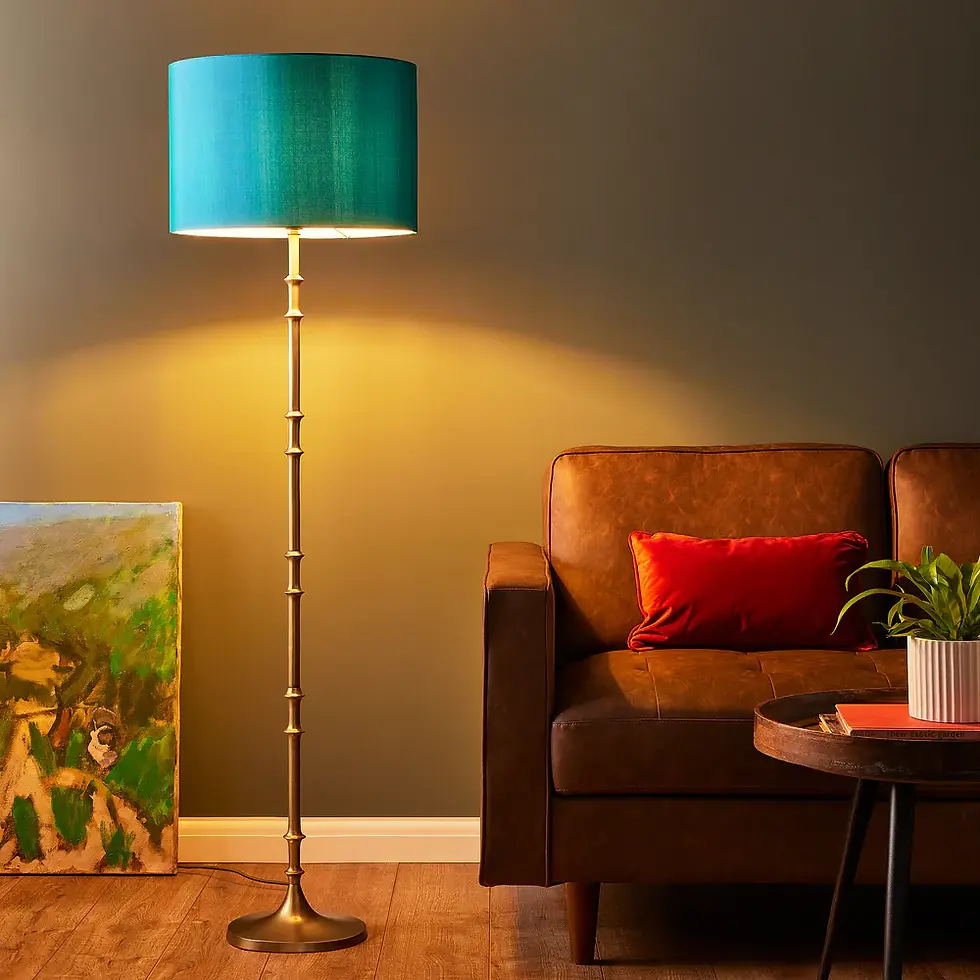
Lighting is often the most immediate and transformative element in a space. Natural light especially has a direct impact on mood and energy levels. Rooms that allow sunlight to filter in tend to feel more open and expansive. Lighting even makes smaller spaces appear less restrictive. As the day progresses, lighting should evolve with it—bright, cooler tones during the day can enhance focus, while warm, diffused lighting in the evening helps create a sense of calm. Shreenu Mukherjee, Co-founder & Principal Designer at Atelier Shreenu (formerly The Vrindavan Project), highlights that "Natural light plays a key role in regulating mood, while layered lighting creates depth and softness within a room. Harsh overhead lighting, in contrast, can feel sterile and fatiguing."
Colours

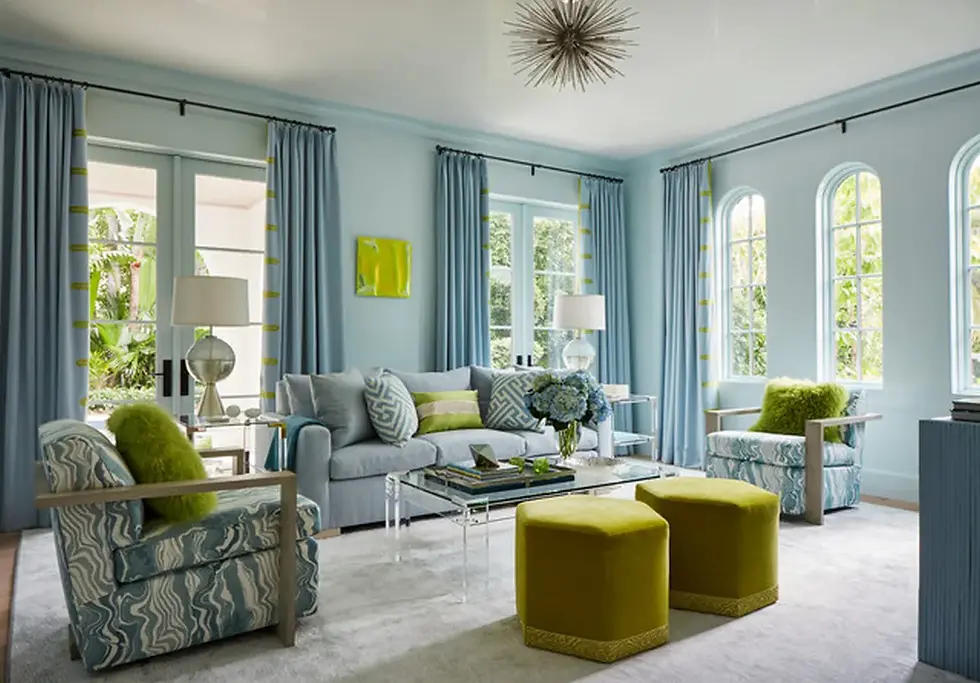
People often underestimate how strongly colour can influence the way a space feels. A room’s colour palette can instantly shift its atmosphere, making it feel either calm and open or overwhelming and enclosed. Soft neutrals and muted tones can create a sense of calm, which is why many people gravitate towards white or beige walls. These shades make a room feel larger, more open, and easier to live in, especially in smaller urban homes where space is limited. The duo at Essentia Environements believe that neutral and nature-inspired colour palettes tend to create a grounding effect, especially when paired with tactile materials like wood, stone, and soft fabrics.
At the same time, others may prefer incorporating patterns, accent walls, or deeper hues to bring in personality and visual interest. A patterned wallpaper, a bold-coloured sofa, or even textured wall finishes can make a space feel more dynamic and expressive without overwhelming it entirely. However, colour is not universal in its effect – what feels soothing to one may feel restrictive to another. This is why personal preference becomes central to design choices. Rather than following seasonal trends, spaces that prioritise individual comfort tend to feel more balanced.
Clutter and organisation
Clutter is not always about the number of objects in a room, but about how they are experienced. An overflowing desk, a chair piled with clothes, or a constantly messy bedside table can create a lingering sense of unfinished tasks, making it difficult to fully relax. For some, even small visual disruptions like tangled wires, scattered papers, or an unmade bed can act as subtle triggers for stress. An organised space, on the other hand, does not have to feel rigid or overly minimal. When essentials are within reach, surfaces are relatively clear, and the layout allows for easy movement, the space begins to feel more manageable. Storage solutions, concealed compartments, and even small habits like resetting a room at the end of the day can contribute to this sense of order. Expanding on this idea, Mukherjee explains, “A thoughtful arrangement allows for natural flow and comfort, while poorly planned spaces can create subtle friction in daily living.”

Textures and materials:

The sensory experience of a space extends beyond what is seen. Textures and materials play a crucial role in how a home feels. Soft fabrics, natural wood, woven elements, and layered textiles introduce warmth and depth to a space. In many ways, comfort is as much about touch as it is about sight. Rashi Bothra and Ruchi Gehani highlight the importance of natural elements. "Plants introduce a connection to nature, softening the space and creating moments of pause within everyday routines. At the same time, interiors that reflect an individual’s personality through textures, colours, and curated elements tend to feel more authentic and comforting."
Personalisation

At its core, a home becomes meaningful through personalisation. Photographs, souvenirs, books, and objects collected over time transform a space into something deeply individual. In contrast to perfectly curated interiors often seen online, lived-in spaces carry a certain authenticity. This familiarity fosters a sense of comfort that no trend-driven design can replicate.
Devika Khosla, Creative Director at The Works Interiors, describes a home as an emotional ecosystem rather than just a visual composition. She emphasises the importance of natural light, organic materials, and intuitive spatial flow that allows for quiet, reflective moments. But she says, "personal elements like acoustics, air quality, scent, and reduced clutter contribute significantly to how a space is experienced beyond its visual appeal."
In the end, you do not always need a complete redesign to transform how your home feels. Often, small, intentional changes can make a noticeable difference. Adding plants can bring life into a room, rearranging furniture can improve functionality, and even clearing a single cluttered corner can create a sense of relief. Simple adjustments—like softer lighting or layered textiles—can significantly enhance comfort. However, there is no single way to design a “perfect” home. For some, it may be simple and minimal, while for others it may feel fuller and more personal. What matters is whether the space feels comfortable to you.
In the end, a home is not just about how it looks. It is about how it makes you feel. Sometimes, feeling better can begin with making small changes to the space you live in every day.


Comments