
Is It Fungal Acne? A Monsoon Mystery Your Skin Has Been Trying To Tell You About


You've tried the salicylic acid cleanser and the benzoyl peroxide spot gel. You've even tried praying to the skincare gods via a 14-step K-beauty routine you found on a 2 am scroll. And yet, every monsoon, like clockwork, your forehead and chest erupt into a constellation of small, itchy, suspiciously identical bumps that refuse to budge.
Plot twist: it might not be acne at all. It might be a yeast throwing a rave on your face.
Welcome to the confusing, itchy, extremely-on-theme-for-monsoon world of fungal acne — a condition so good at impersonating regular acne that most people spend months (and a small fortune) treating the wrong thing entirely. We asked four dermatologists to break it down, myth-bust it, and tell us what's actually worth putting on your skin. Here's everything you need to know.
Wait, Is This Even Fungal Acne?
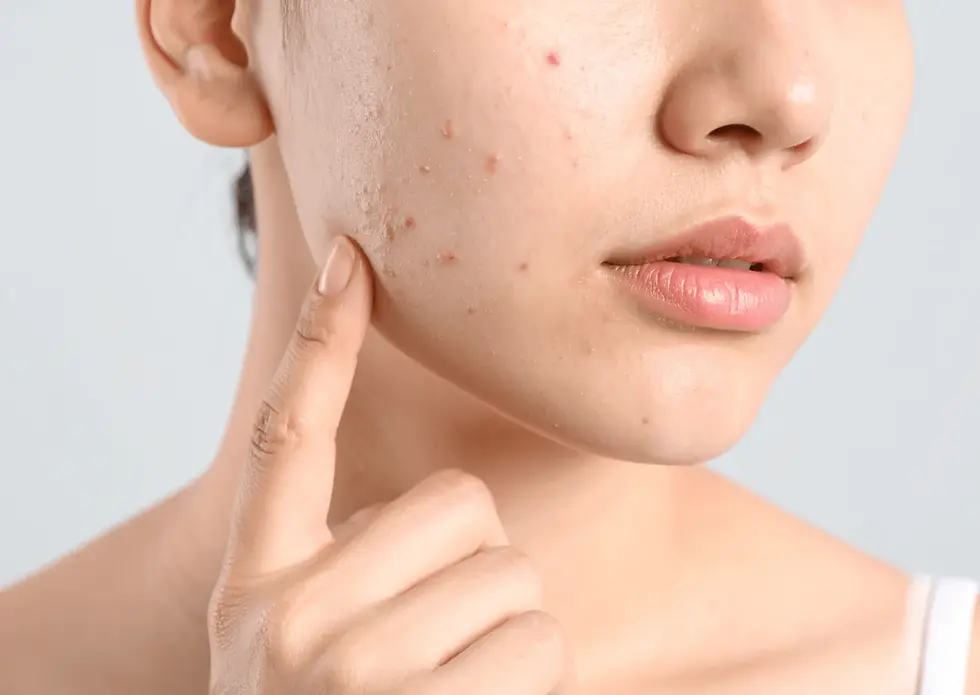
Short answer: no. Long answer: also no, but with more yeast. "Fungal acne is often mistaken for stubborn acne, heat rash, or even an allergic reaction," says Dr Bindu Sthalekar, celebrity dermatologist and Founder of Skin Smart Solutions. The giveaway is in the details — fungal acne shows up as small, uniform, often itchy bumps clustered on the forehead, chest, shoulders and upper back, with a suspicious absence of blackheads or whiteheads.
Dr Santhosi SV, Medical Consultant at Neothera, puts it more precisely: it isn't acne at all, but folliculitis — inflammation of the hair follicle caused by an overgrowth of a yeast called Malassezia furfur that already lives on your skin, minding its own business, until it isn't. "It manifests as itchy, prickly, pus-filled bumps that all look the same and are distributed in areas that are rich in sebum," she explains, adding that it conveniently skips the comedones (read: blackheads and whiteheads) that regular acne loves to leave behind.
Dr Rikta Mohan of Myrah Derma Med agrees on the tell: "It does not have blackheads or whiteheads and often doesn't respond to conventional acne treatments." Which, if you've been layering on spot treatments for six weeks with zero results, is your cue to stop diagnosing yourself via Instagram Reels and see an actual dermatologist.
So What Exactly Is Living on My Face?
Malassezia. It's a yeast. It lives on everyone's skin, all the time, as a completely normal member of your skin's microbiome — think of it as that one flatmate who's usually quiet until the humidity turns them feral.
The problem starts when it multiplies out of control. And nothing — nothing — says "multiply out of control" quite like the monsoon season: heat, humidity, sweat trapped under damp clothes, the occasional helmet or cap worn for hours. Add antibiotics to the mix (which wipe out the bacteria that would otherwise keep the yeast in check) and you've built the yeast equivalent of a five-star resort.
Reassuringly, none of this is your fault. "Fungal acne is not caused by poor hygiene, and it is not contagious," notes Dr Sthalekar. You cannot catch it, and you didn't cause it by skipping a shower once.
Who's Most Likely to Get Ambushed By It?
Turns out, quite a lot of us. Dr Santhosi's risk list reads like a checklist for most urban Indian lifestyles: people in hot, humid climates; fitness enthusiasts in tight synthetic workout gear; anyone who reaches for thick body oils or greasy sunscreens; recent antibiotic users; people with naturally oily skin (Malassezia is lipophilic — it loves fat and lipids); those with compromised immunity from conditions like diabetes; and — plot twist — men in general, thanks to naturally higher sebum and sweat production.
Basically, if you sweat, you wear a cap, you've taken antibiotics this year, or you're partial to a rich body oil, congratulations, you're in the risk pool. So is everyone else.
The Actual Glow-Up Plan: Treating It
Here's the part where regular acne advice actively betrays you. Anti-acne creams and antibiotics don't just fail to help fungal acne — they can make it worse, since antibiotics clear out the bacteria competing with the yeast for space.
What actually works is antifungals. Dr Sthalekar recommends antifungal washes or shampoos containing ketoconazole or selenium sulphide, topical antifungal creams, or oral antifungals for more stubborn cases — with most people seeing real improvement in two to four weeks.
Dr Santhosi's toolkit is more granular: over-the-counter ketoconazole (1–2%) or selenium sulfide washes, clotrimazole or miconazole creams, and — for the truly persistent cases — a doctor-prescribed oral antifungal. She also flags salicylic acid and sulfur formulations as useful additions.
Dr Rikta Mohan's approach: "Treatment usually involves topical antifungals such as ketoconazole or ciclopirox," with oral options reserved for the more extensive cases and dermatologist supervision.
The unglamorous but non-negotiable part: shower right after sweating, swap into breathable fabrics, ditch the damp gym clothes ASAP, and stop reaching for anything thick and greasy.
According to Dr Madhuri Agarwal, founder and medical director of YAVANA Skin & Hair Clinic:
"Anti-acne medications don't work on fungal acne — in fact, antibiotics used for acne can worsen the condition. It's important to identify the exact problem, as it's often mistaken for regular acne, which only makes things worse. Fungal acne is easy to treat since it's mainly caused by yeast. You can use an anti-dandruff shampoo containing zinc pyrithione on the body areas affected by fungal acne. I recommend leave-on lotions containing 2% ketoconazole and sulphur, as these work better than wash-off shampoos. In case the problem isn't resolving, consult a dermatologist, who can prescribe oral antifungals and topical applications for better resolution. Make sure to drink enough fluids for hydration, and avoid touching the area frequently, as it can spread the infection."
The Skincare Shelf Edit:
When fungal acne flares up, it's best to avoid rich oils and ingredients that can feed the yeast, including coconut and olive oil, fatty acids, esters, polysorbates, and fermented extracts. Instead, stick to lightweight, fungal-acne-friendly ingredients like glycerin, hyaluronic acid, niacinamide, squalane, panthenol, and ceramides. The good news? You don't have to avoid these ingredients forever—just while your skin is flaring, as not everyone's skin reacts the same way. Here's what you should check out: Neothera Acne Spot Corrector

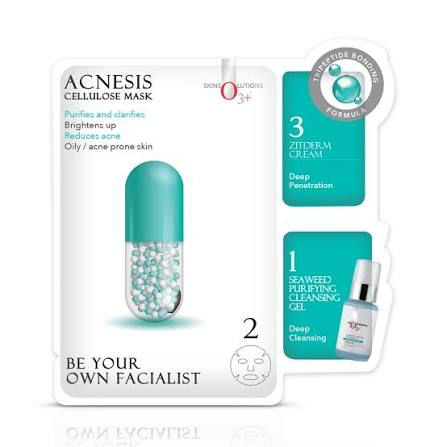
O3+ Oil Control Acnesis 3-Step Cellulose Sheet Mask
Novology Acne Deep Clearing Cleanser

La Roche-Posay Effaclar Duo+M Gel

Foxtale 12% Niacinamide Clarifying Serum

Clinique UV Solutions Hydrating Sunscreen SPF 50

Buy here
Gush Beauty Dart It Tea Tree & Hydrocolloid Acne Pimple Patches

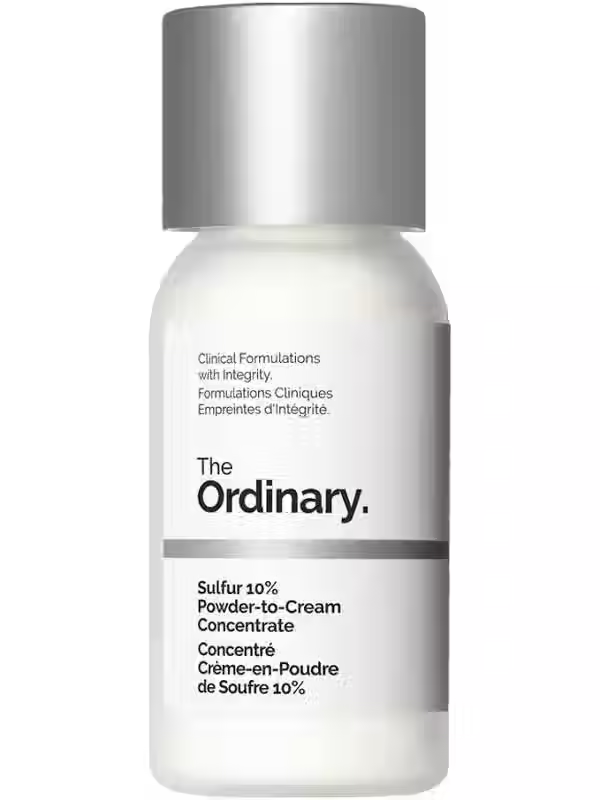
The Ordinary Sulfur 10% Powder-to-Cream Concentrate
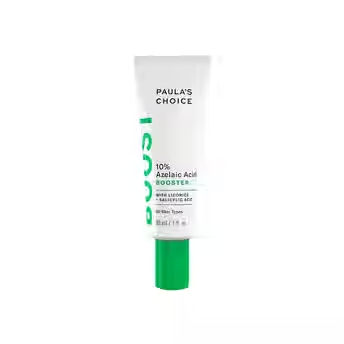
Paula's Choice Boost 10% Azelaic Acid Booster
Proof It's Not All In Your Head: A Real Case
Neothera Founder Radhika Agarwal shares an early case study from the brand's pre-launch testing: a 26-year-old who trained at the gym daily had spent months on antibiotics and spot creams for what he assumed was regular acne — only for it to get worse. Neothera's diagnostic flagged the real culprit: uniform, itchy bumps with no blackheads, clustered exactly where his skin ran oiliest and sweatiest. Classic fungal acne, quietly worsened by both his oil-rich skincare and the antibiotics he'd been taking.
The fix was almost boringly simple: an antifungal wash, a salicylic acid cleanser, a squalane-and-panthenol moisturiser that hydrated without feeding the yeast, and the habit of showering immediately post-workout. No aggressive treatments, no drama — just the right diagnosis. Cleared up in weeks.
The real takeaway, echoed by every dermatologist here: if your "acne" is itchy, suspiciously uniform, and laughing in the face of your usual products, it's time to stop self-diagnosing and get it checked. Fungal acne, once correctly identified, is one of the more satisfyingly treatable skin conditions out there — you just have to stop fighting the wrong battle first.


Comments