
The Biennale Season Is The Perfect Reason To Explore The City of Kochi, Here's Why

Updated: Dec 8, 2025
An aesthetic trail through spice-scented alleys, heritage shops, hidden galleries, and homegrown fashion finds in the port city.

Think about artworks displayed beneath colonial-style rafters, resting on terracotta floors that have witnessed centuries of spice trade, monsoon winds, and global arrivals — that's the little magic of Kochi Muziris Biennale (India's first and South Asia's longest-running contemporary art biennale). Art isn’t confined within pristine, white cubes; instead, here it spills into warehouses, seeps through café courtyards, wraps around crumbling facades, giving art a new meaning.
What is Kochi-Muziris Biennale?
Before the boom of art in India, the Kochi-Muziris Biennale (KMB) was founded in the city of Kochi in 2010 by the Kochi Biennale Foundation. Today, it is India's first and largest international exhibition of contemporary art, which is firmly rooted in the histories and everyday realities of Kochi's Fort Kochi and Mattancherry. Taking place every two years, the festival brings together artists from across India and the world, spanning diverse mediums and disciplines as well as talks, film programmes, workshops, residencies, and educational projects, creating a unique platform for dialogue, exchange, and discovery. Over the years, the Biennale has evolved into India’s most influential art festival, where Kerala’s own cultural heartbeat meets voices from around the world. Imagine the Venice Biennale with coastal humidity and some legendary seafood; it's exactly that for any art connoisseur. Here, installations challenge you to pause, reflect, question and step into stories far bigger than yourself.
Take the Biennale Walk
The sixth edition of the Kochi-Muziris Biennale, titled For the Time Being, is curated by Nikhil Chopra with HH Art Spaces, an artist-led organisation based in Goa. The event will take place at Fort Kochi (a historic seaside neighbourhood in Kochi) and will be on view from December 12, 2025, to March 31, 2026.
To make the most of your time here, you can take a stroll through the Biennale and immerse yourself in an artsy experience. But a visit to the main art venues, such as Aspinwall House, Pepper House, Island Warehouse, and Durbar Hall, are worth a visit. They transform into immersive environments shaped by 66 artists and collectives from over 20 countries, including globally recognised names like Marina Abramović and LaToya Ruby Frazier, as well as new and emerging voices you’ll be excited to discover.
Exploring the culture of Kochi
The Biennale may be the headline, but the neighbourhood is a haven for everyone; sun-washed streets, spice markets, age-old synagogues, toddy shacks and many more. Here in Fort Kochi, culture isn’t something you observe from a distance — you live inside it. For travellers who chase stories over souvenirs, this is your cue to slow down and let the city guide you. Here is an aesthetic roadmap for the Biennale backpacker to savour Fort Kochi’s best flavours, find hidden alleys, galleries, art cafés, and homegrown fashion, making your trip feel whole and wonderfully lived.
Where to stay

If you’re heading to Fort Kochi for the Biennale, the right stay can make the experience even more immersive. Think heritage dwellings reborn as design-led escapes: The Postcard Mandalay Hall in the heart of Jew Town, or the iconic Malabar House on a historic trading street. Also on our list is the vibrant Forte Kochi in Princess Street, the waterfront charm of Brunton Boatyard, or even a serene detour to Cranganor History Café & Riverside Château for a calming reset. These boutique stays place you close to the art action - and give you the perfect corners to unwind after a day of discovery.
Exploring the heritage landmarks of Fort Kochi

Fort Kochi has seen empires come and go, each leaving its mark long before India won its independence. Imagine wandering through a neighbourhood where the trees have lived longer than generations of people, and every corner has a story waiting to be heard. The best part? You can explore it all at your own pace on a simple walk. Kick things off at Vasco da Gama Square. You can’t miss the iconic Chinese fishing nets, slowly dipping into the Arabian Sea. They’re especially dreamy at sunset, when the sky turns gold, and the ocean glows.

From there, take a relaxed walk down to an interesting heritage spot called Bastion Bungalow, a charming Dutch-era building that welcomes visitors who are curious about Kochi’s rich and layered past. A few steps away on Rose Street stands St. Francis Church, a quiet landmark where Vasco da Gama was originally buried. Take a peek at the nearby Vasco House — considered one of the oldest Portuguese residences around — and then wander towards the Fort Road, where you’ll find the Dutch Cemetery, a timeworn tombstones whispering tales of sailors and settlers from long ago. Finally, wrap up your stroll at the magnificent Santa Cruz Basilica, famous for its soaring spires and brilliant stained glass.
A stroll around Mattancherry
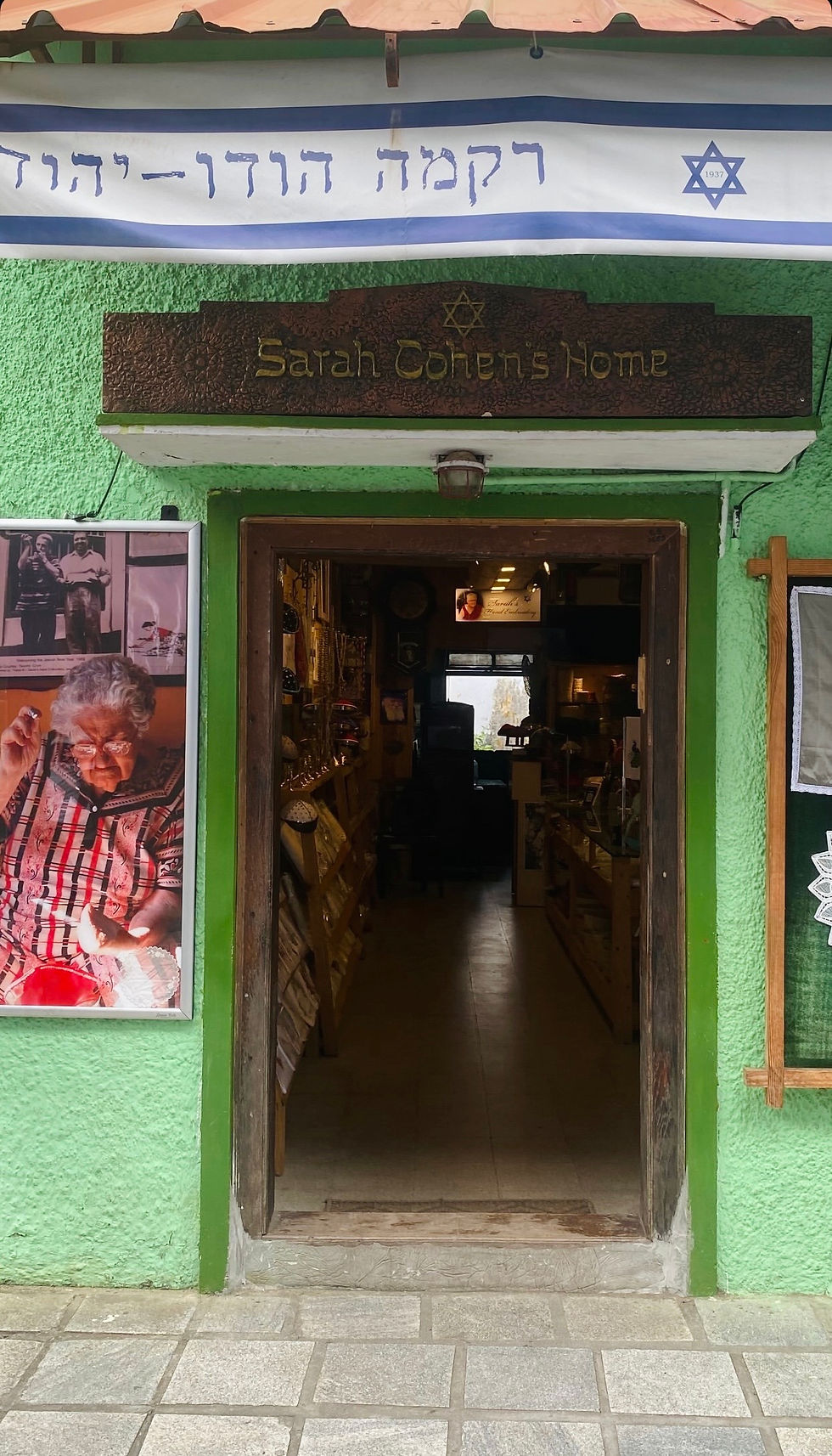
A short walk from Fort Kochi brings you to Mattancherry, a neighbourhood where centuries of global trade, colonial heritage, and artisanal creativity converge. At its heart stands the 16th-century Mattancherry Palace, gifted by the Portuguese and later refurbished by the Dutch, leading into the historic stretch of Jew Town and the Paradesi Synagogue, famed for its Belgian chandeliers and Chinese-tiled floors. Once home to a flourishing Jewish community, its lanes still echo with fragments of cultural heritage such as the embroidery shop founded by the late Sarah Cohen, which preserves Jewish handicraft traditions.
The narrow lanes between the palace and the synagogue are lined with spice warehouses, offering Kerala’s signature flavours like cardamom, pepper, cloves, turmeric, and ginger, that fill the air with an irresistible aroma. Jew Town is also a treasure trove for antique lovers and craft enthusiasts. One such store to visit is Crafters Antique House, which is known for its rare ceramics, sculptures, and ancient memorabilia. A few other destinations, such as Heritage Arts Antique Store, Madonna Exports, and Ethnic Passage, offer a world of colonial furniture, vintage toys, tribal art, and handcrafted curios, all arranged in vast warehouse-style spaces designed for unhurried, serendipitous browsing.
Art Cafes and local eateries to hop on
Fort Kochi is famed not just for its culture and quaint streets but also its café circuit, which is an architectural trail in disguise. Here, heritage buildings are transformed into cultural hubs. Kashi Art Café anchors the scene with a gallery-meets-dining concept inside a Dutch-era structure. Lila Art Café is yet another staple to be on your itinerary. It is a creative hub where artisanal food meets contemporary art, sharing space with Kazcha Art Gallery and Aashayam’s curated homegrown design. If you're looking to explore the cocktail culture after hours, step into Francis for beers in an invitin, colonial-era ambience. Wander down Princess Street to Loafers Corner Café, a cute spot perched inside a heritage building with a balcony made for people-watching. Closer to the waterfront, Pepper House —once a Dutch spice warehouse and now a Biennale venue— serves iced brews, a view perfect for slow afternoons, and a peek into Kochi’s contemporary artscape.
But Fort Kochi’s flavours go beyond café culture. Seafood enthusiasts should visit Fort House Restaurant, renowned for its coastal dishes; think prawn mango curry and fresh fish seasoned with spices, enjoyed right by the water. And no trip is complete without a plate of biryani at Kayees Rahmathulla Café, where the rice is fragrant, the meat tender, and the long queues that prove you’ve come to the right place. Here, eating isn’t just refuelling between exhibitions, it’s part of the experience and another way to taste the city’s history while you’re exploring its art.
A shopping spree in the port city
From sleek design-forward boutiques to small local stalls with iconic kasavu weaves, Kochi’s shopping scene is a beautiful blend of heritage and contemporary craft. At Fort Kochi, the shopping experience unfolds naturally as you wander through its breezy lanes. One Zero Eight by Save The Loom is a thoughtfully curated concept store housed within a beautifully restored Portuguese villa. Founded by Ramesh Menon and Alpi Boylla, the store brings together a selection of celebrated designers, including 11.11, Akaaro, Pero, Paromita Banerjee, Naushad Ali, Padmaja, Kasha and many more. Alongside these names, the space also champions homegrown collectives and brands from Kerala, such as Malai, Neytt Rugs, Forest Post, etc.
If you continue your journey towards Durbar Hall, you come across ‘Rouka’ by Sreejith Jeevan. The store feels closer to an art installation than a boutique because every piece speaks of Kerala’s stories. Elephants, floral motifs, snake boats, and familiar coastal scenes come alive as delicate embroidery and appliqué. Buying a sari or dhoti here feels like taking home a little piece of the land and its spirit.
At the end of the festival, Kochi will leave you with pieces that carry a story, long after the trip ends. The city invites you to slow down and embrace a gentler pace, as it rewards curiosity and every turn offers a small moment of serendipity worth discovering.


Comments