
Single, Taken or Tired: This Valentine’s Day Is for You

Updated: Feb 11

It's not that Valentine's Day is overrated; it's boring how we've narrowed its scope. Falling into the marketing ploy of the week itself, most view Valentine's Day in a specific light. The day is linked to romantic pursuits, while many people feel entirely dismissed by the occasion. This time, we choose to celebrate it differently.
All thanks to the discourse surrounding celebrating individuality and familial community, we've come to a better conclusion than merely sending dry texts this season. Since this occasion celebrates pursuit, we aim to focus on aspects of life that are stable, dependable, and less wobbly. Welcome to Decentering Romance 101, and we're just getting started.
Start the week with a weekly mail pact with those overseas.

Maybe the letter you’ve been prying on receiving isn’t necessarily from your partner, but from a friend overseas. The recent emphasis on letters has primarily centred around romantic exchanges. As the digital sphere transitions into the analogue era, it brings opportunities to return to our roots. For us, it’s pen-palship.
Whether it's the delayed gratification of writing a letter or the eagerness to receive one, it is tough to point out what makes the central idea behind handwritten letters so intriguing. But the essence of having a physical copy of something written with days-old ink carries an emphasis that prompt texts can rarely match. When we think of letters, they become a closely held, intimate possession, nostalgic and carrying the moment as it felt and was delivered. Just as the investment in platonic relations takes notice, we advise a reintroduction to weekly or monthly letters to your friends whom you can rarely reach out to, even with packed schedules.
Realise that decentering romance is never decentering intimacy or denying romance.

The internet's discourse over decentering romance often gets mixed up with the concept of celibacy. Turns out decentering never once leaned towards denying romance or intimacy; rather, it questions the axis against which our nervous system’s regulation is built. By decentering romantic pursuits, we bring power and focus back to what’s relevant. Be it personal pursuits, raging matters, fresh hobbies or identity exploration, decentering gives us space for growth.
Richa Saini, a counselling psychologist and a content creator, adds, "While love, connection, and romance are extremely important, it is crucial to decenter them in our lives. A romantic relationship should not be the sole source of safety, validation, excitement, and meaning. When we lose that relationship, we risk losing our sense of self as well. Decentering romance does not mean rejecting love; rather, it involves diminishing its power to define us. Instead, we should focus on building intimacy with ourselves, as love can be found within us and in the many small joys around us.”
Host a brunch even if nobody shows up.

Third, spaces are where you make them. We often search for opportunities to host friends and family, but these occasions are quite rare. The idea of catching up makes the relations sound more like a timed appointment than what essentially started it. So, this Valentine's Day, we advise differently.
We dare you to host your close ones for a brunch at a local cafe, at home or at a memorable restaurant. Give them an invite a week earlier and decide upon a theme to spice up the styling game. Recognise that some people may not attend the first meet-up, but this is just the start of a monthly or periodic arrangement. If you don’t see someone at the first gathering, they are likely to show up later. Just as Central Perk served as a meeting place for the quirky characters in FRIENDS, you and your loved ones are only a routine away from reminiscing about a fantasy gathering or planning one.
Fellows at Perch, A Coffee & Wine Cafe, adds, "This Valentine’s Day, we recommend keeping it simple and 'touching grass." Visit Perch at Sunder Nursery to grab some sandwiches, cookies, and coffee. Then, head to the gardens or Humayun’s Tomb to spend the afternoon outdoors. Skip the staged moments and focus on enjoying the day. Embrace the fresh air, real grass, delicious food, and genuine connections." We couldn’t agree more.
Invent a monthly slumber party calendar for your friend group that desperately needs to have a debrief but somehow never ends up doing.

Pack your pyjama sets for this one! The dream of living independently has always included the promise of spending time with those who matter most. In a South Asian household, this dream often stems from the desire to enjoy countless sleepovers, pillow fights, movie nights, and binge-watching sessions—experiences that were often overlooked in the earlier stages of life. With hectic schedules and barely any time for romantic getaways, slumber parties have become a distant memory. It’s time to revive this concept!
“Monthly rituals like slumber parties create predictable containers for emotional safety and connection. In adulthood, friendships often become task-oriented and fragmented. Shared, unstructured time allows nervous systems to downshift, encourages vulnerability, and strengthens attachment through presence rather than performance. Such rituals support co-regulation, reduce loneliness, and help friendships remain emotionally nourishing rather than transactional,” as rightfully put by Bhakti Joshi, Counselling Psychologist, Trauma-Focused Therapist, Samarpan Mental Health.
Fall in love with essays, Substack and that non-fiction book you’ve been dodging for a while

What better time to start substituting idle activities with conscious ones? The best part about 2026 is that we’ve finally caught up with the relevance of long-form content after a brief period when short-form consumption became a staple. Be it essays, a half-hour-long video on cultural subtext, the longer but lush route home or wordy books, the conscious lot have decided to switch from engaging content to curated consumption. With trends like devising a personal curriculum, back in the winters of 2025, to the dopamine menu last summer, the return to analogue did not come as a surprise. Rather, a redemption.
Reading provides the gratification of having an elaborate context that curiosity aims for, rather than surface-level engagement that floats on the screens. This definitely includes curriculum context or personal interest, the books that one might have hoarded and never flipped a page of. But once you turn ten pages, you’re back to the moment you bought the text, and you fall in love with the context again.
Ditch the ploy and join a wellness club that understands your rhythm better.
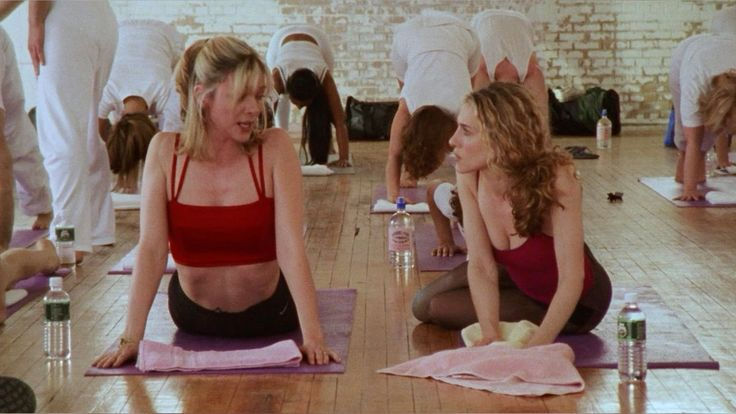
Often, discussions about wellness for women are limited to activities like Pilates or intense gym workouts. However, these conversations frequently overlook the importance of belonging. Elements such as community, relevance, and personalisation tend to be sidelined, while the effectiveness of standardised routines takes centre stage. This focus can result in decreased consistency, making it easy to fall out of practice and rarely achieve significant breakthroughs. Moreover, for women, the absence of inclusive spaces in the realm of physical wellness creates an even larger gap that needs to be addressed.
In agreement, Anu Bajaj, Co-founder at Evolve - The Wellness Club, adds, “As a woman in my 50s, I often wish I had a space to guide me through the many stages of womanhood from menarche to menopause and beyond. A space that supported me across nutrition, movement and recovery, while being held by a safe, nurturing community. Evolve is that space.” Community ensures holistic wellness, which is why we emphasise finding your community and joining a wellness club that suits you.
Do crushes without acting on them (on-screen characters included)

Having fictional crushes has been a core memory of growing up. Before navigating the complexities of situationships and dodging red flags, we experienced crushes that we never acted upon. These crushes became a prominent theme in light-hearted discussions over tea, where there were little to no expectations or attachments. Rather than focusing on pursuit, they were more about fleeting interests and self-exploration.
Bhakti Joshi from Samarpan Mental Health explains, “Crushes, when not acted upon, can serve as internal emotional signals rather than relational demands. They allow individuals to explore feelings of desire, admiration, and curiosity without immediately activating attachment systems, which may carry past wounds. Often, a crush reflects unmet emotional needs such as validation, novelty, or safety, rather than a true readiness for connection. Sitting with these feelings offers insight without emotional investment risk.”
The system resents women resting and taking their time. Do exactly that.

In a system that encourages burnout and constant hustle, rebellion often begins with small acts of relaxation. Today, taking time to do nothing—whether it’s avoiding social media, sleeping without an alarm looming overhead, or simply daydreaming—has become a luxury. While we make time for everything related to our professions and those around us, especially our partners, we often forget that resting is just as important for us as it is for others. There are days when we wish we could schedule our rest like any other task, but that doesn’t diminish its importance, especially for women.
“Women are historically socialised to prioritise productivity, caregiving, and emotional availability, often at the cost of their own nervous systems. The system rewards self-sacrifice and penalises rest by attaching guilt and worth to constant output. Choosing to slow down is an act of reclaiming agency, regulating chronic stress, and challenging internalised expectations. Rest becomes a psychological boundary and a form of self-respect,” concludes Bhakti Joshi.


Comments